New Report: 2,400 Tons of Wool Wasted in the Nordics
2026.02.23

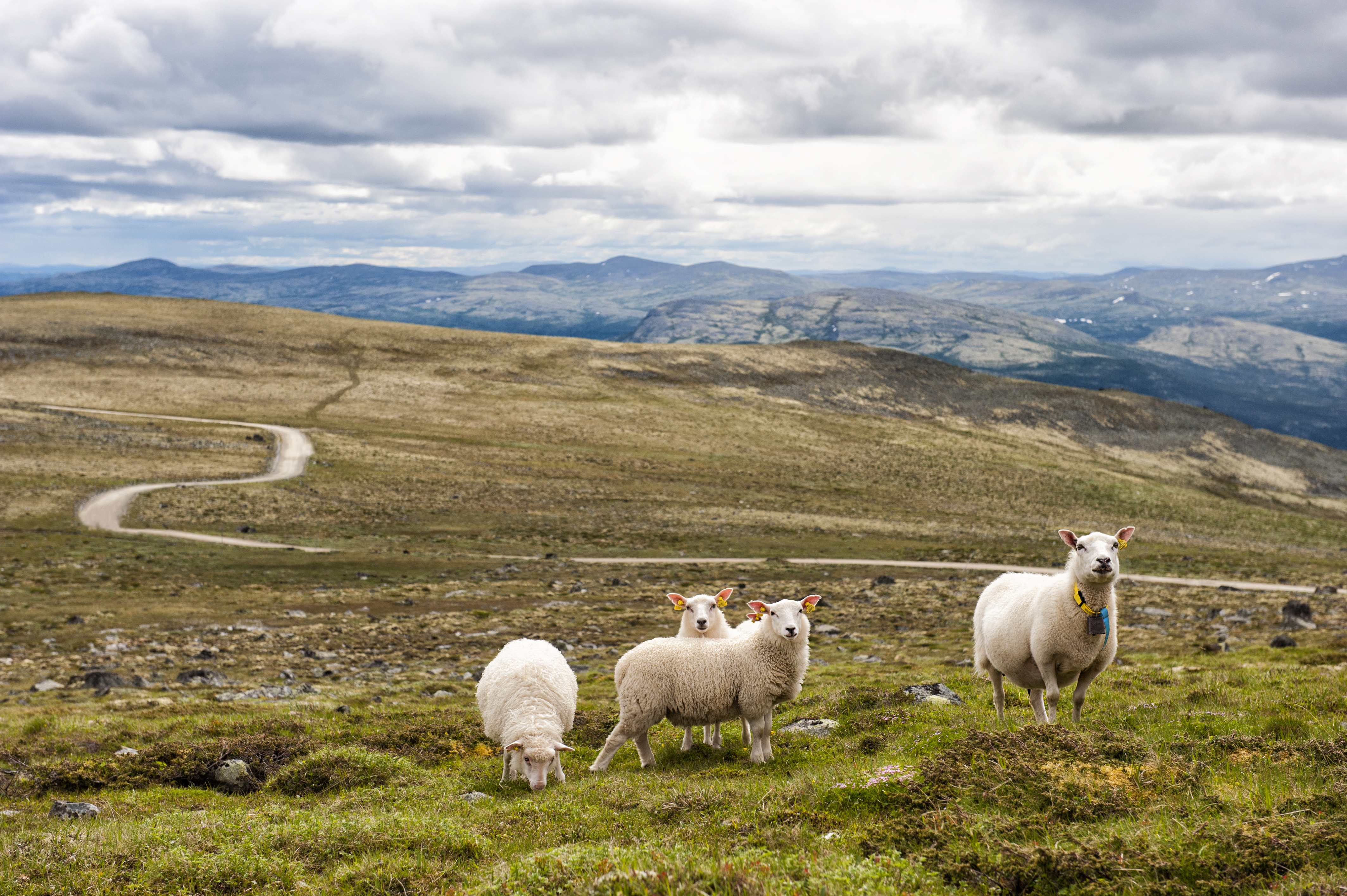
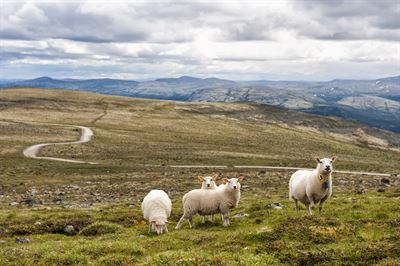
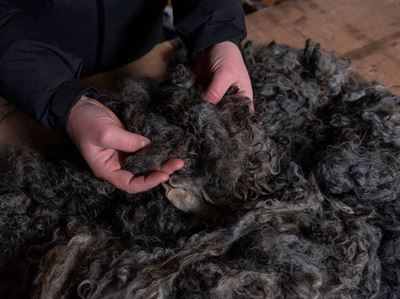
Norway and Iceland collect almost all wool, while Denmark and Finland discard most of it. Sweden is now investing to reverse the trend. Photo: iStock
Every year, around 2,400 tons of wool are wasted in Denmark, Finland, Iceland, Norway, and Sweden, while industry imports large volumes of wool and wool yarn. A new analysis from Axfoundation and Norion Consult estimates an annual loss of EUR 120 million and highlights the potential of a coordinated Nordic wool market.
Norway and Iceland collect almost all wool, while Denmark and Finland discard most of it. Sweden is now investing to reverse the trend.
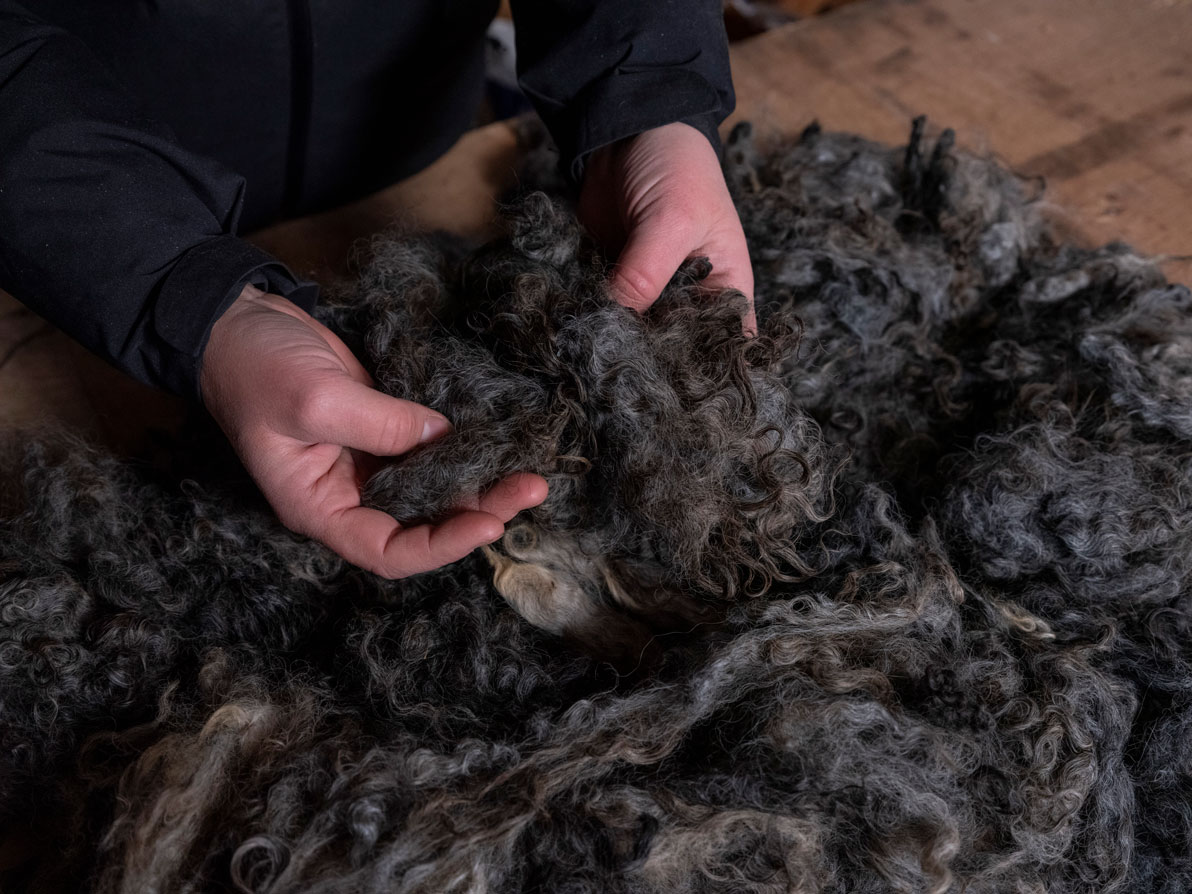
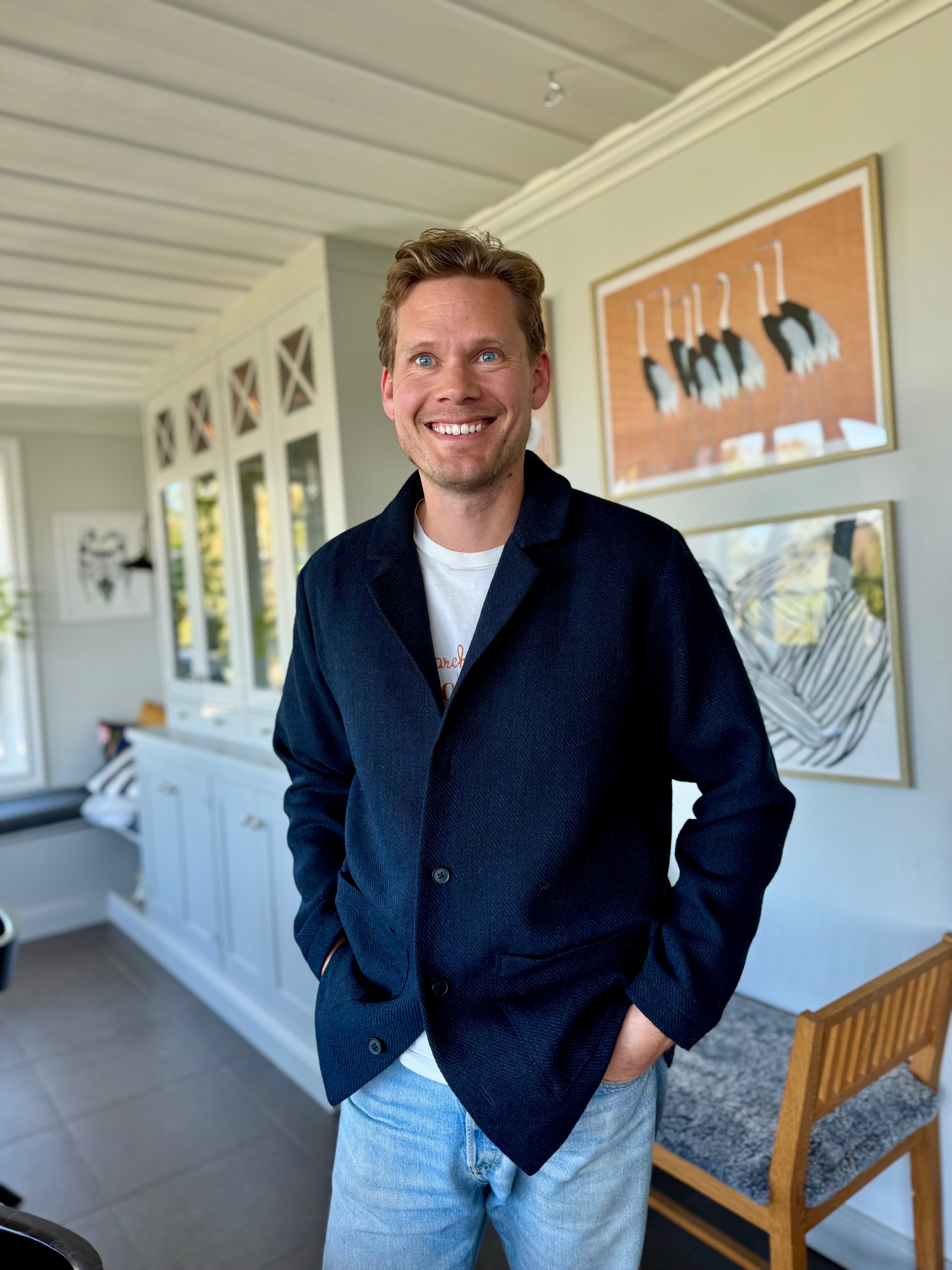
“There is a persistent myth that Nordic wool is low quality, but the real problem is gaps in the system. We lack shared ways to classify and handle wool across the region, so large volumes never enter the value chain. By matching the right wool with the right product, we can unlock the value of an existing bio-based resource,” says Johan Sidenmark, Project Manager for the Nordic Wool Initiative at Axfoundation.
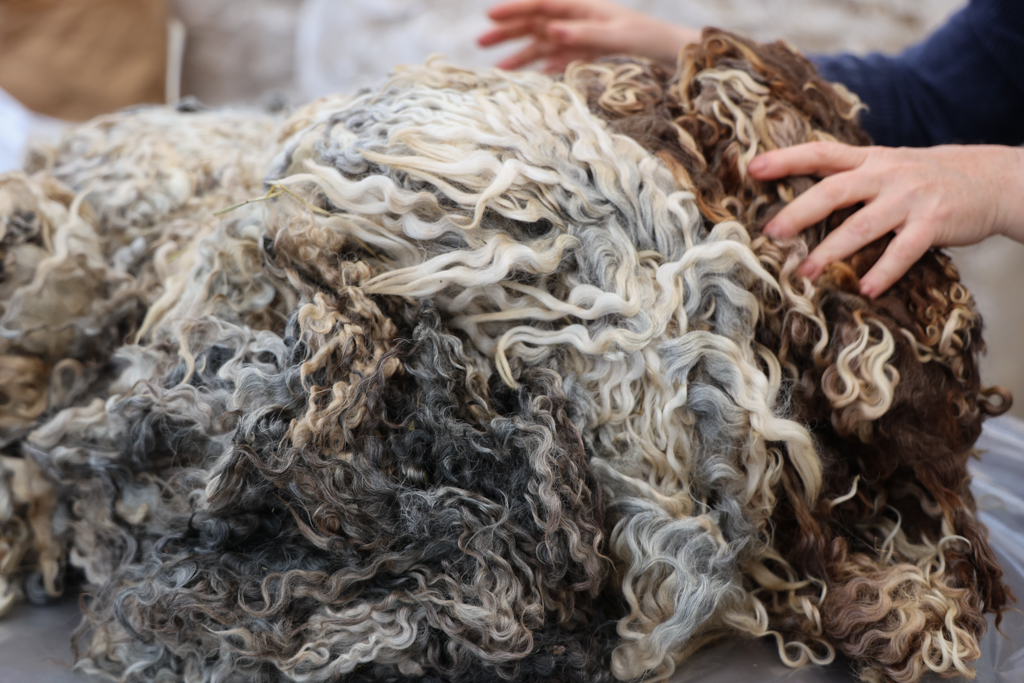
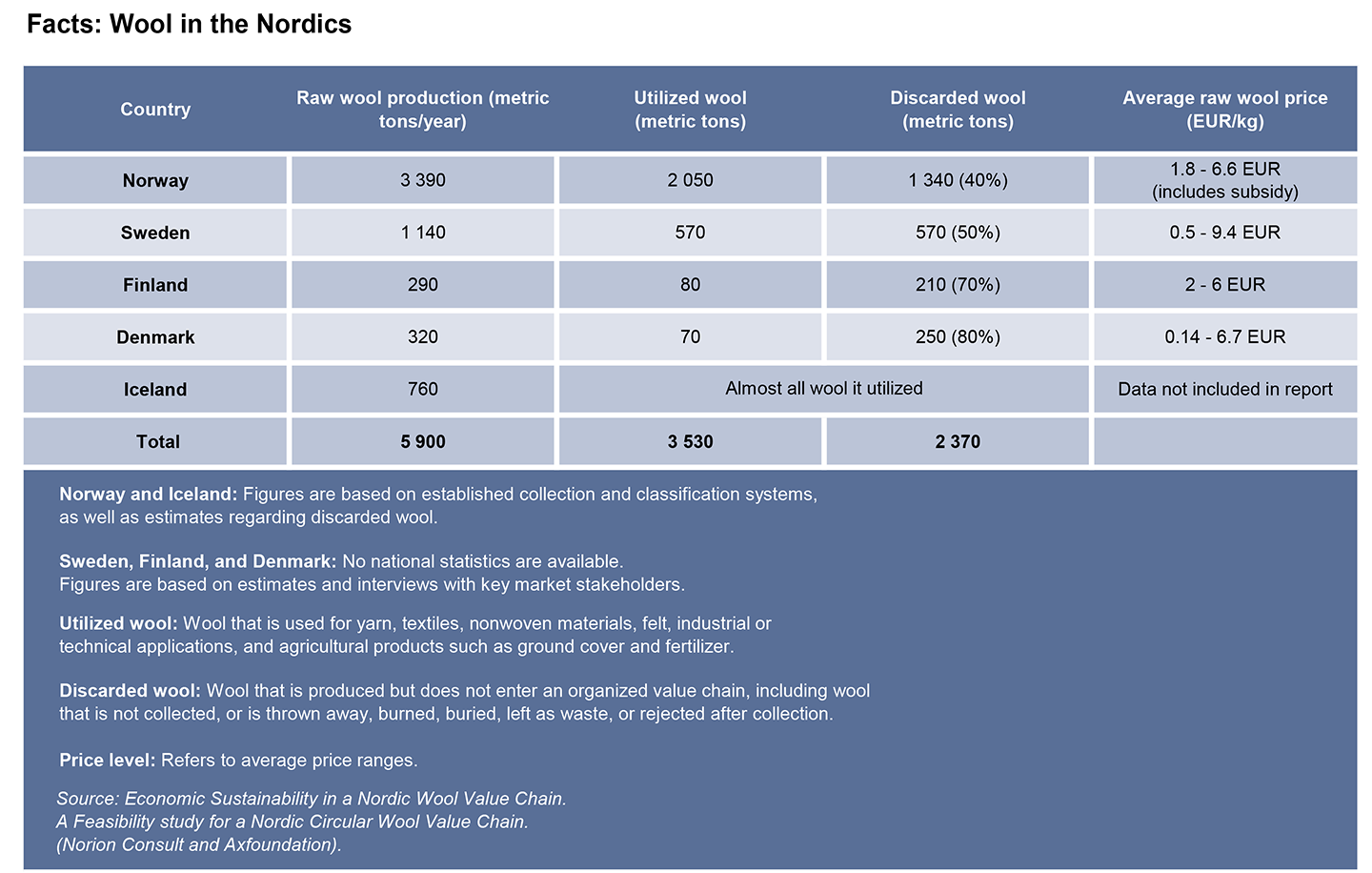
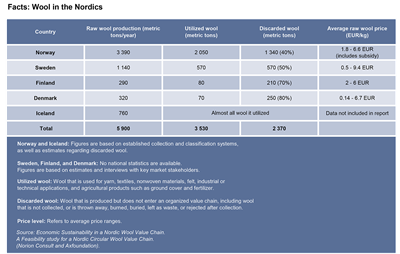
According to the report A Feasibility Study for a Nordic Circular Wool Value Chain, the Nordic countries produce about 5,900 tons of raw wool each year. Almost 2,400 tons are thrown away or burned, even though the wool could be used for yarn and textiles as well as nonwoven materials such as insulation and acoustic applications. The main bottlenecks are the lack of shared classification standards, too few collection hubs, and limited capacity to scour and process wool within the Nordic region. This has so far made it difficult to build competitive production at scale.
EUR 120 million in unrealized value
The economic sustainability for a Nordic wool value chain has also been analyzed within the Nordic Wool Initiative. Approximately EUR 120 million in potential value is lost each year when the refining potential of Nordic wool is not fully utilized. A more coordinated market would strengthen the industrial use of regional wool and reduce import dependency, according to the report authors Norion Consult.
“Our analysis shows that there is substantial wool with strong industrial potential, but there is no efficient value chain that can make Nordic wool competitive. The fragmented structure across the region makes it difficult to reduce costs and achieve scale. As a result, despite clear business opportunities, both economic value and a long tradition of regional wool use are being lost,” says Dina Bekkevold Lingås, Senior Consultant at Norion Consult.
Toward a Nordic circular wool value chain Wool
handling differs significantly between countries. Finland and Denmark are estimated to discard 70 to 80 percent of their wool, while Iceland utilizes almost all of its production. Norway is the only Nordic country with a state wool agreement, under which sheep farmers are compensated for delivering wool for classification. This has contributed to around 90 percent of Norwegian wool being collected, although an estimated 1,300 tons are still discarded, mainly due to limited domestic demand for certain wool types. In Sweden, historically more than half of the wool has been discarded, but investments in logistics and the introduction of the Swedish Wool Standard are improving conditions for utilizing all wool qualities.
“We now need to take a real wool leap in the Nordics and create the conditions for a shared market. This requires policy instruments such as wool agreements that compensate sheep farmers for all wool, a common Nordic wool standard where the Swedish standard can serve as a foundation, and investments in infrastructure to remove bottlenecks,” says Johan Sidenmark.
Industrial investment in Sweden
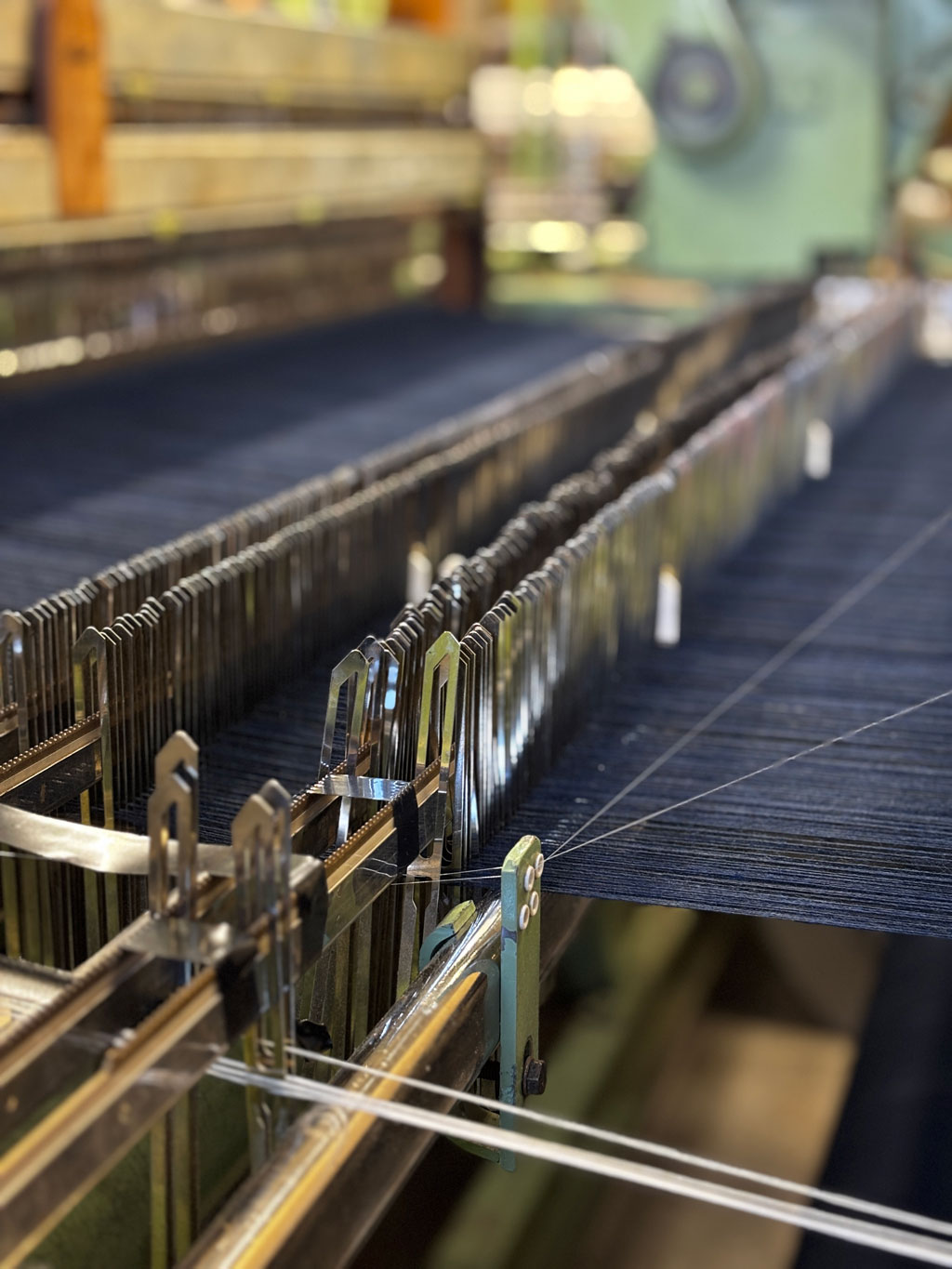
To address the infrastructure gap, industrial capacity is now being built in Sweden. In Sörforsa in Hälsingland, a hub is being established for the collection, sorting, scouring, and processing of wool from Sweden and, in the next step, from across the Nordic region. The initiative is led by Dalarna Science Park together with several industrial partners, including Swedish Textile and Holma Helsinglands.
“We are building practical solutions to collect and make Nordic wool available at scale. Within a year, the full textile value chain will be in place. Actors in textiles, construction, interiors, and technical applications who want to use Nordic wool are welcome to get in touch,” says Emil Oldmark, Chairman of the Board of Holma Helsinglands.
Contact:
- Linda Andersson, Media Relations, Axfoundation,
, +46 (0)730 – 87 15 70
- Johan Sidenmark, Project Manager, Future Materials, Axfoundation,
,+46 (0)761 – 40 91 20
- Dina Bekkevold Lingås, Senior Consultant, Norion Consult, +45 (0)52 – 24 05 40
- Emil Oldmark, Chairman of the Board, Holma Helsinglands,
, +46 (0)703 – 44 35 46
Related material:
- Report: A Feasibility study for a Nordic Circular Wool Value Chain
– Supply, Demand and Structural Preconditions for A Circular Economy Fast Track for Increased Resource Utilization
- Report: Economic Sustainability in a Nordic Wool Value Chain
– An overview of the history of subsidies, economic potential and potential policy measures
- The Swedish Wool Standard
- Policy recommendations: From Wasted Resource to Strength. Unlocking the value of Swedish Wool
- Project: Nordic Wool Initiative
Background to the reports
The feasibility study and the economic sustainability report were developed within the Nordic Wool Initiative, a collaboration led by Axfoundation and Norion Consult together with industry partners in Denmark, Finland, Iceland, Norway, and Sweden: Dansk Mode & Textil, Holma Helsinglands, Icelandic Textile Center, Insutex, Ístex, NF&TA, Saimaa Wool, SirkUll and Swedish Textile Manufacturing. The initiative was partly funded by Nordic Innovation. The reports build on experience from the Swedish Wool Initiative, which brought together actors across the value chain, from sheep farmers to industry, with the vision that no wool should go to waste.
Facts: Recommendations
The feasibility study and the economic analysis conclude that shared standards, targeted investments, and policy instruments are needed to build a competitive Nordic wool market.
- Sheep farmers: Increase the value of wool through proper handling and sorting at farm level. Use the Swedish Wool Standard. Collaborate locally on logistics.
- Industry: Dare to test Nordic wool. It has an undeserved reputation and strong potential across multiple applications. Specify the right wool for the right product. Require classification and traceability based on a shared Nordic wool standard, where the Swedish Wool Standard can serve as a foundation. Collaborate across Nordic countries to secure stable volumes.
- Policymakers: Introduce a Nordic wool agreement that compensates sheep farmers for sorting and quality assurance. Launch a wool leap with investment support for infrastructure to remove bottlenecks. Facilitate cooperation across Nordic value chains.
Source: Economic Sustainability in a Nordic Wool Value Chain and A Feasibility Study for a Nordic Circular Wool Value Chain

Data is also available in Excel: Facts: Wool In the Nordics
Related documents


All pressreleases


Updates on Future Materials
-

Wanted: A System for Longer Solar Panel Life
2025-11-24