Eggs of the Future: Swedish Hens Fed Mycoprotein Instead of Soy
2026.03.24

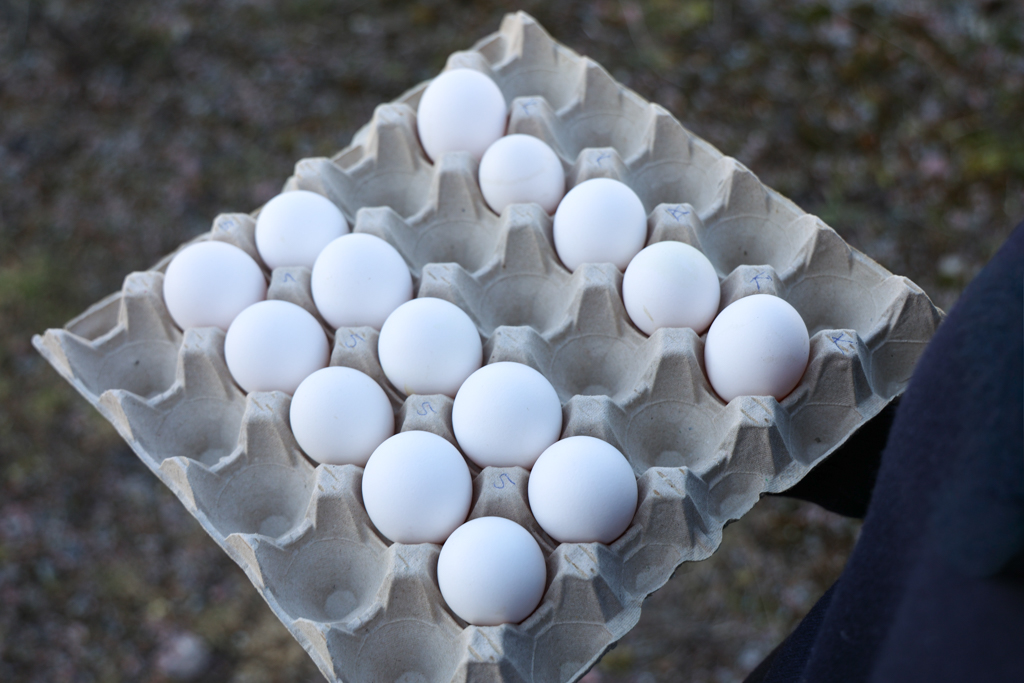
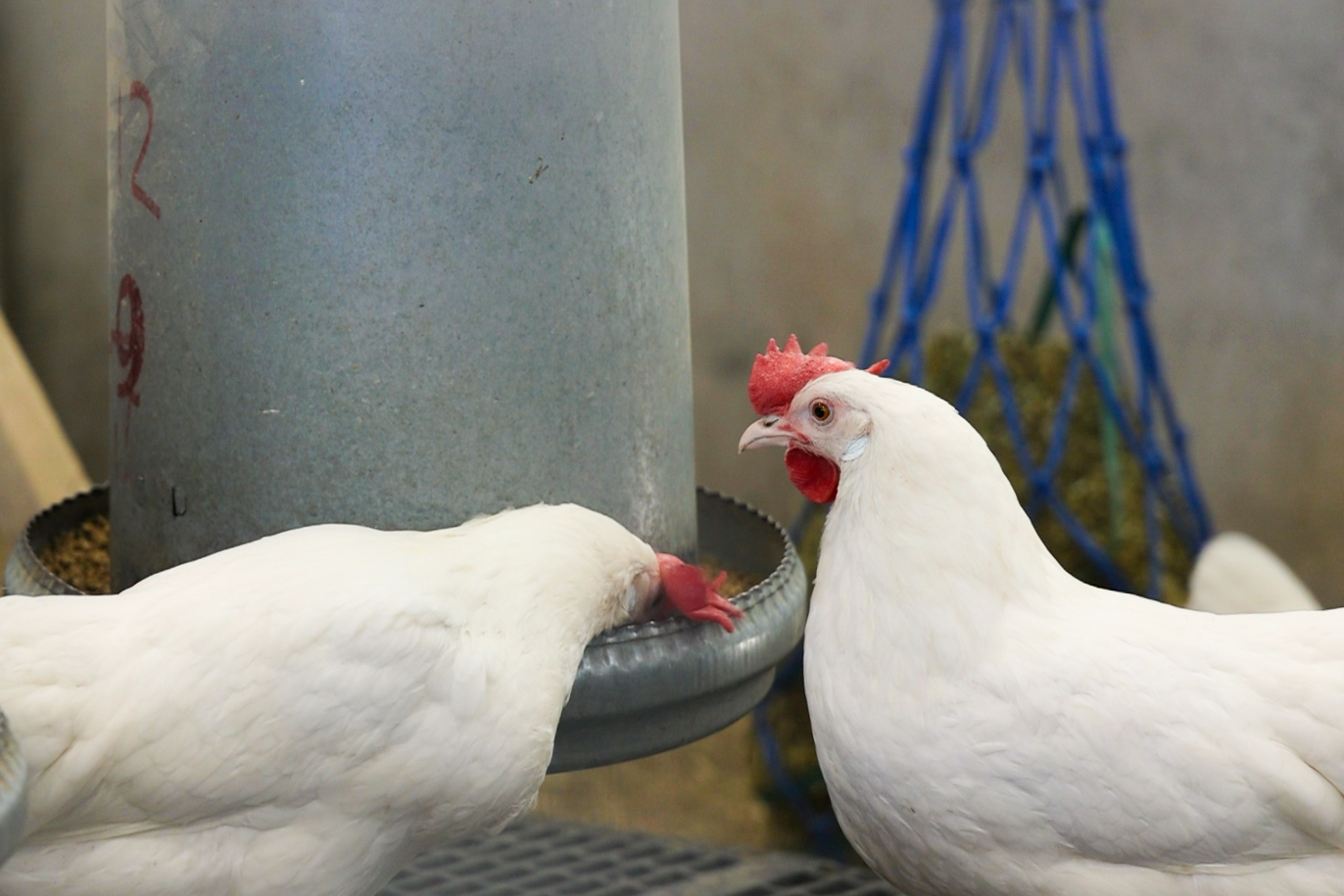
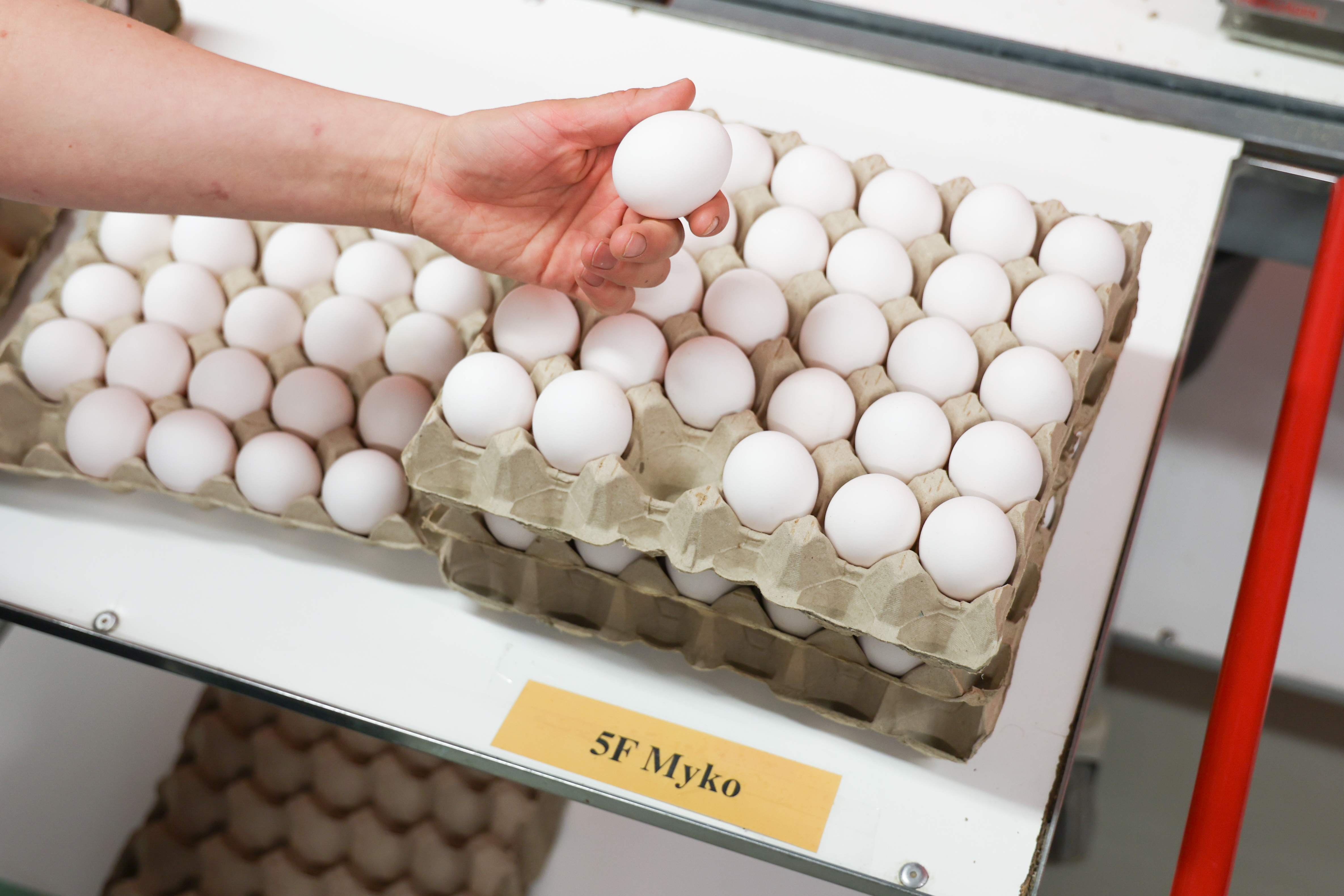
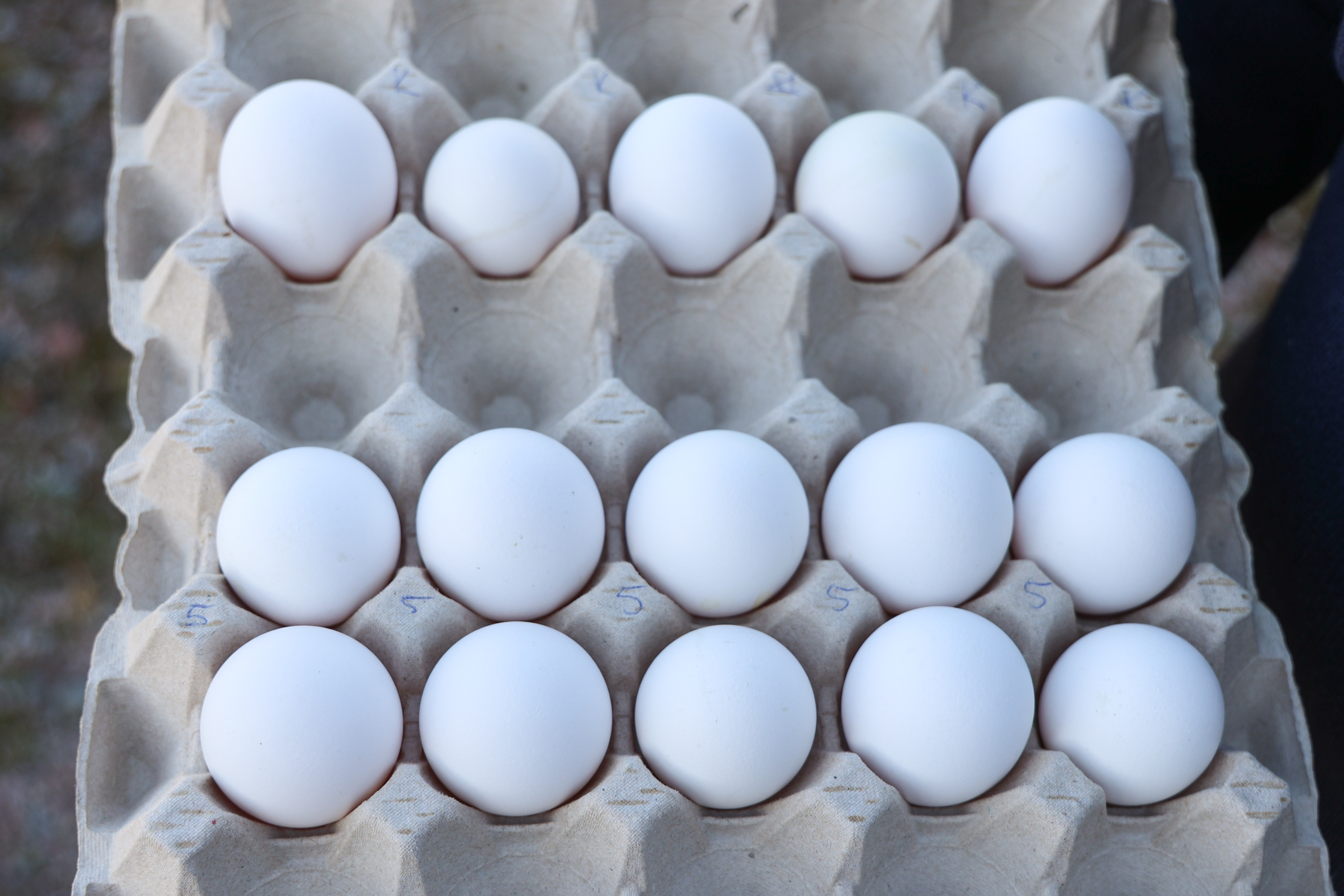
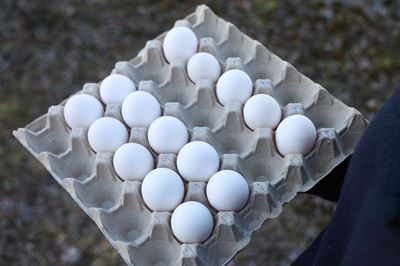
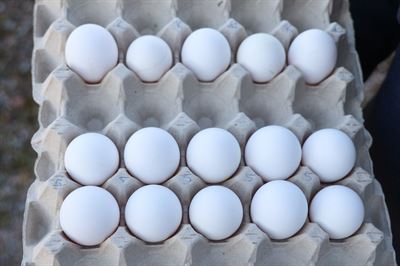
Eggs of the Future – from hens fed a soy-free diet containing Swedish mycoprotein grown on food industry side streams. A practical example of how circular, resource-efficient feed ingredients can reduce resource waste, reduce reliance on imports, and support a more sustainable food system. Photo: Axfoundation
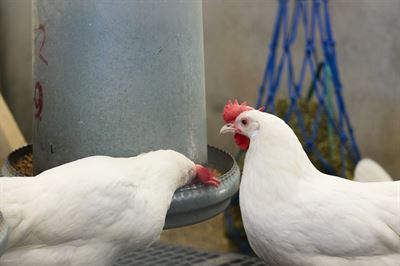
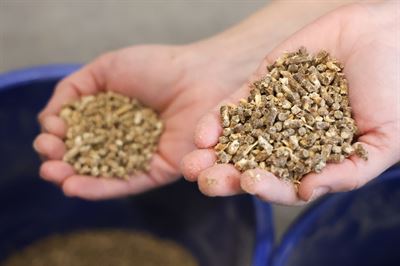
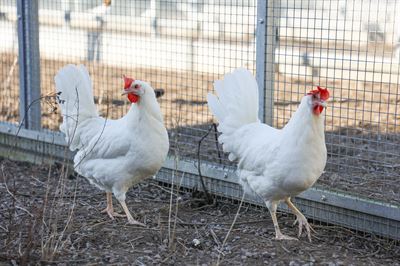
Feed accounts for up to 80% of the climate impact in Swedish egg production and imported soy remains a widely used ingredient in the diets of laying hens. Now, the project The Feed of the Future for Fish, Pigs, Poultry and Laying hens is testing a soy-free hen feed with a mycoprotein produced from food industry side streams. The initiative, led by Axfoundation together with the Swedish University of Agricultural Sciences (SLU), gathers researchers, farmers and feed producers to reduce environmental impact from feed. The eggs of the future will be available for a limited period at Urban Deli in Stockholm.
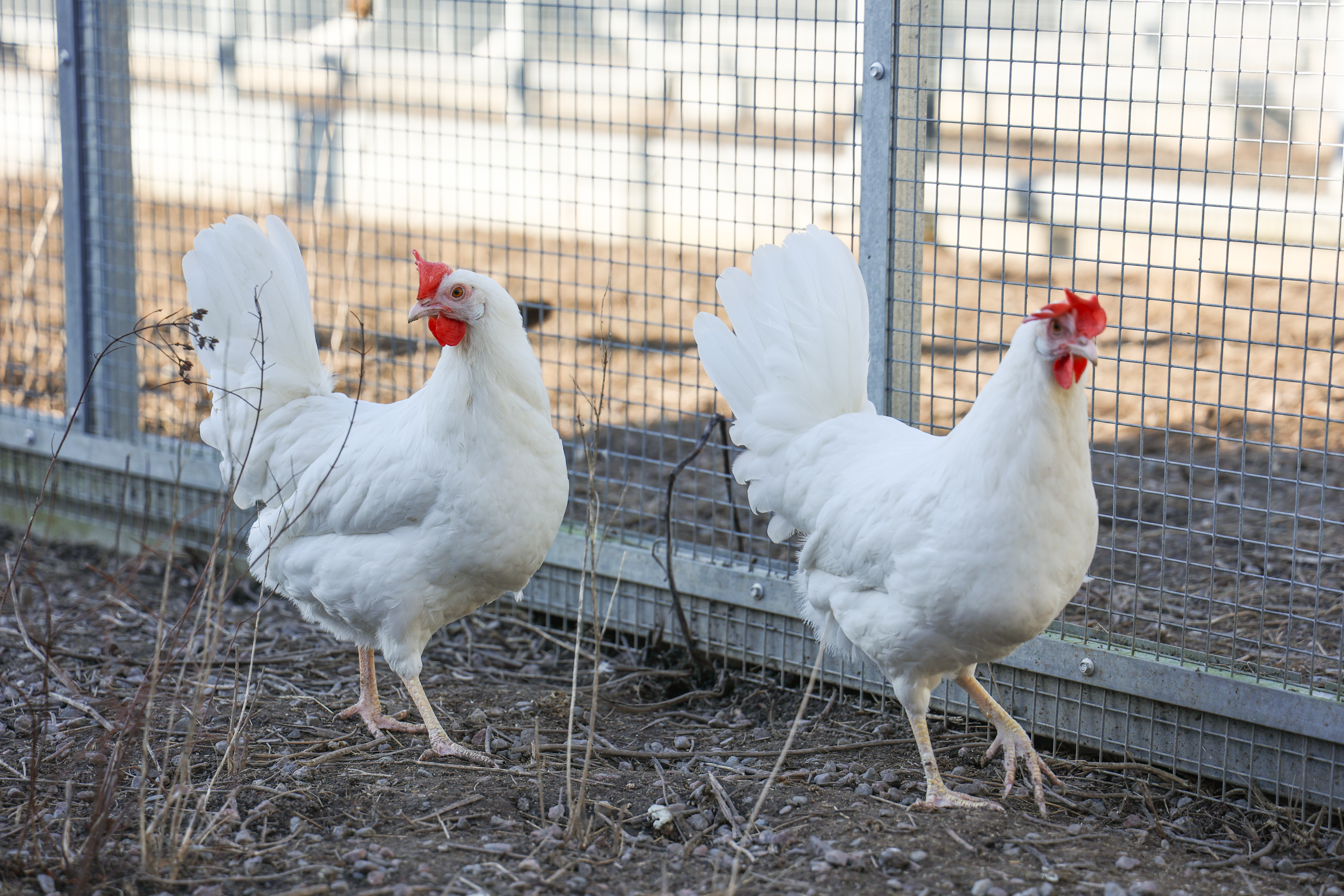
Eggs of the Future – from hens fed next-generation feed, where imported soy is replaced with resource-smart ingredients such as Swedish mycoprotein produced from food industry side streams. Photo: Axfoundation
– We have already proven that fish can be raised on feed containing Swedish circular proteins derived from forestry, marine, and food industry side streams. Now we are taking the next step and demonstrating that the same approach works for laying hens, says Christian Sjöland, Project Manager at Axfoundation.
Laying hen feed today often relies on imported soy, while organic systems typically also include fishmeal from wild-caught fish. Both are raw materials associated with climate impact and biodiversity loss. This has increased industry interest in finding alternative protein sources.
Circular protein sources in practice
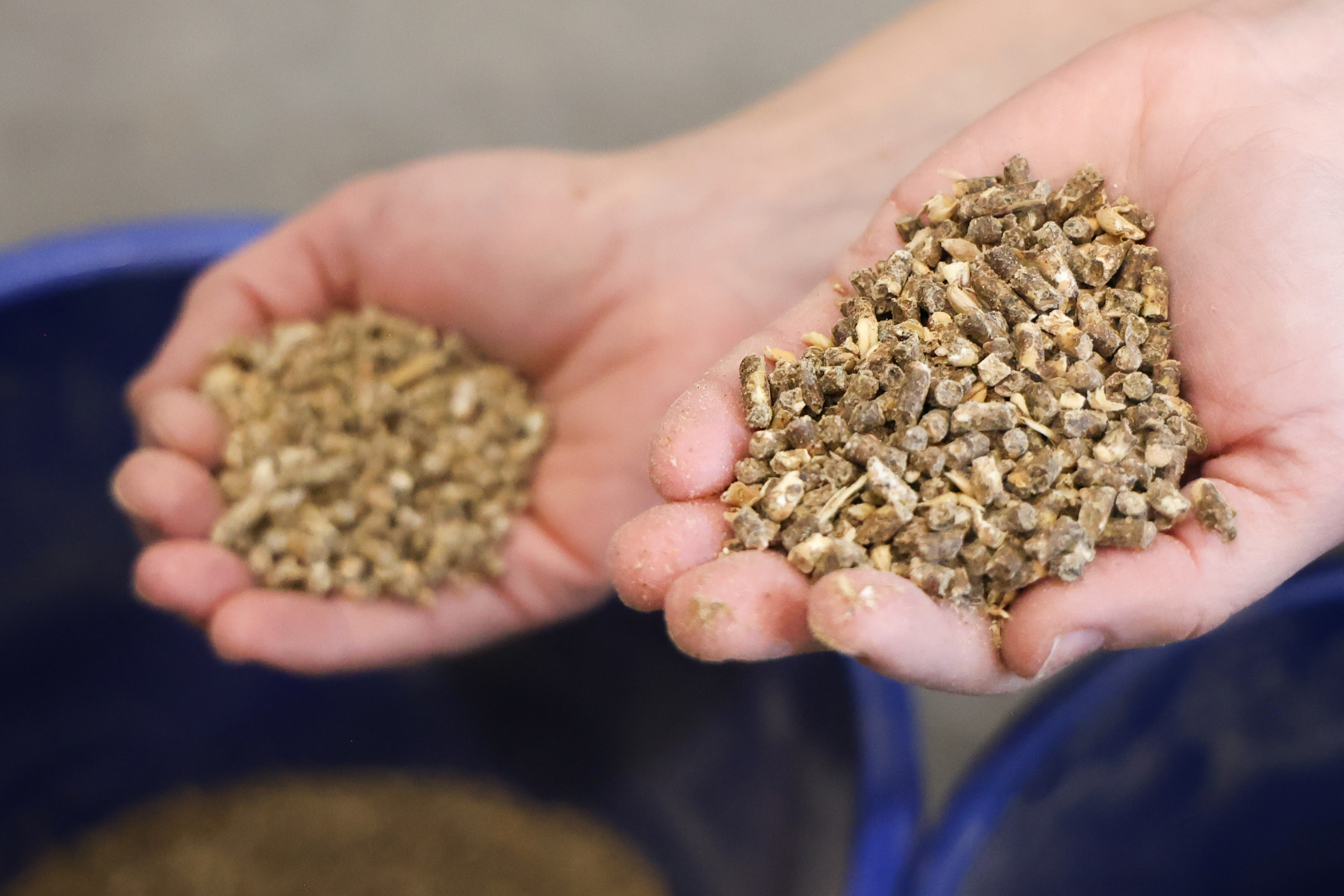
To tackle resource waste and the environmental impact of feed, a Swedish innovation project now evaluates several alternative protein ingredients. For laying hens, the focus is on a mycoprotein, while insects and farmed blue mussels are being assessed for other animal species. These ingredients share a common principle: they utilize underused resources, converting side streams and excess nutrients into protein.
– The mycoprotein is a high-quality protein with good nutritional value and digestibility. We are now evaluating its effects on animal health and performance, and it has strong potential as a domestically produced protein source, says Emma Ivarsson, Senior Lecturer in Animal Nutrition at SLU.
Industrial potential
The feed has been developed and produced by the Swedish feed company Svenska Foder, in close collaboration with partners across the value chain, from researchers and raw material producers to feed companies and food businesses.
– Developing soy-free feed for laying hens aligns with our ambition to continuously evaluate new raw materials that can strengthen Swedish feed production. When ingredients like this show strong results both nutritionally and environmentally, it is natural for us to help scale them, says Lotta Waldenstedt, Product Manager Poultry at Svenska Foder.
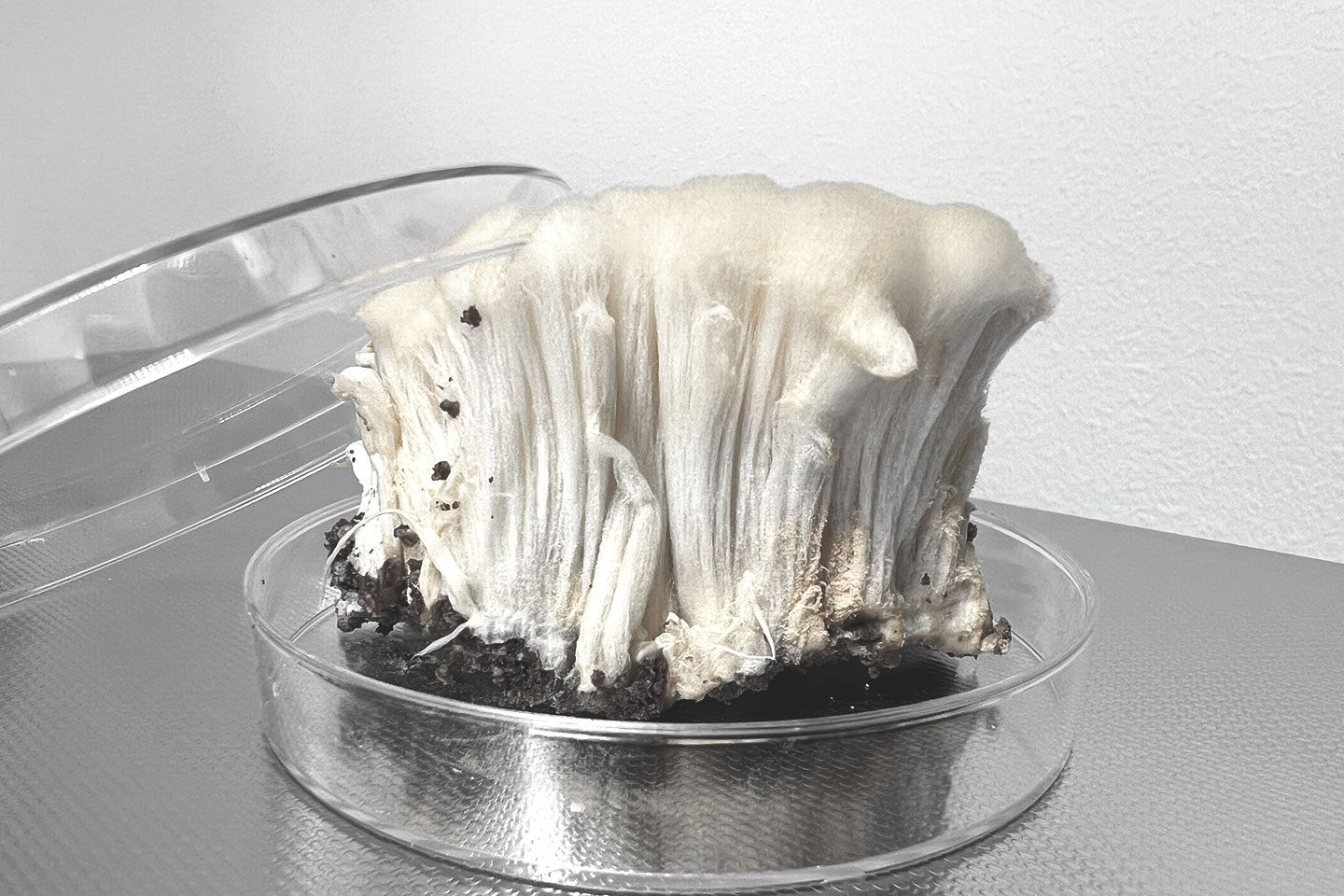
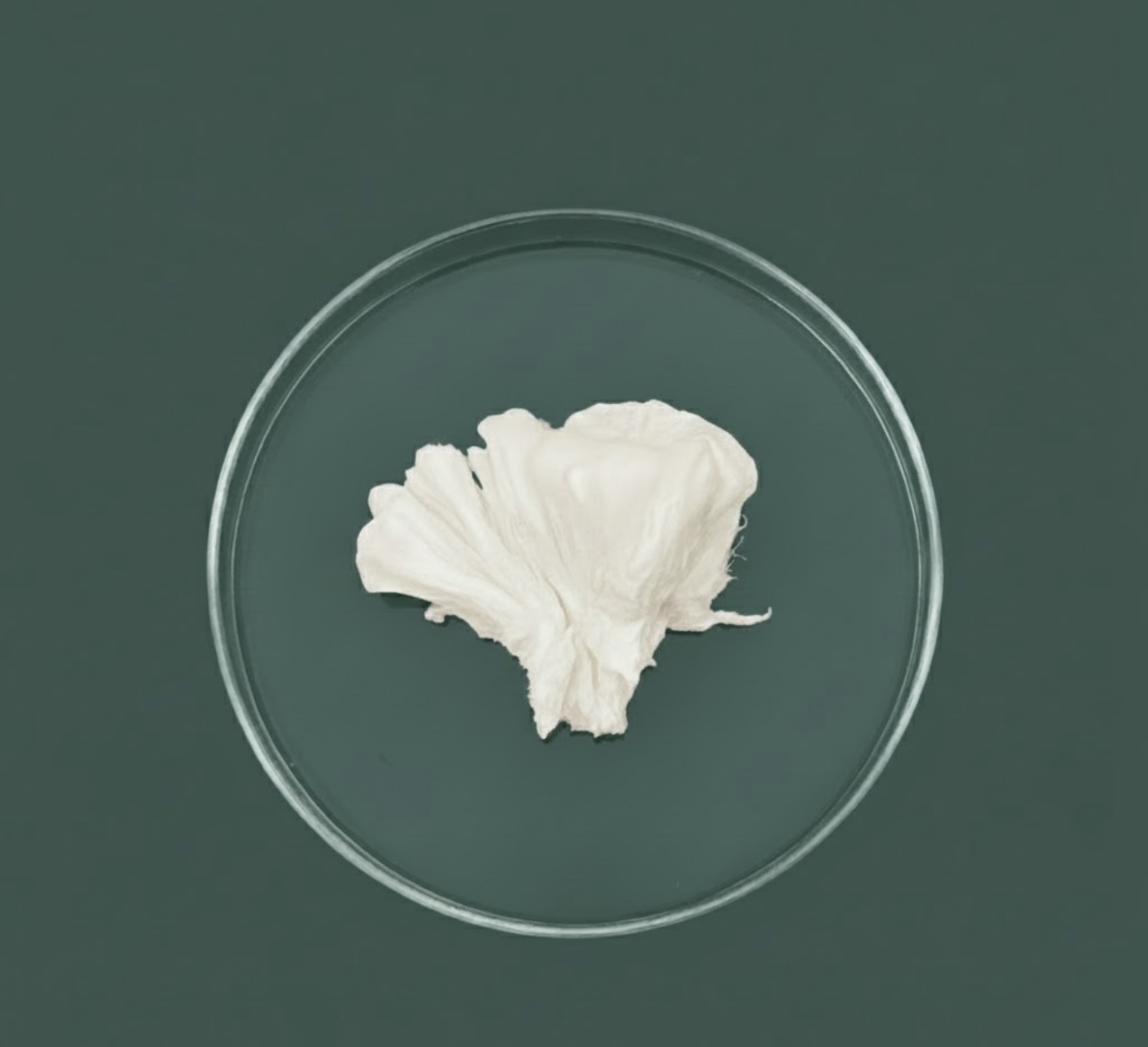
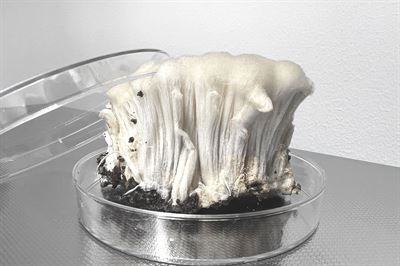
The protein ingredient is produced by Swedish biotechnology company Seaqure Labs, using dry fermentation to convert food industry side streams into feed protein.
– With this technology, we can produce protein using very little land and with a significantly lower climate footprint than soy. This creates opportunities for a new domestic protein industry and reduced dependence on imports, says Johan Henriksson, CEO and co-founder of Seaqure Labs.
Tested in production
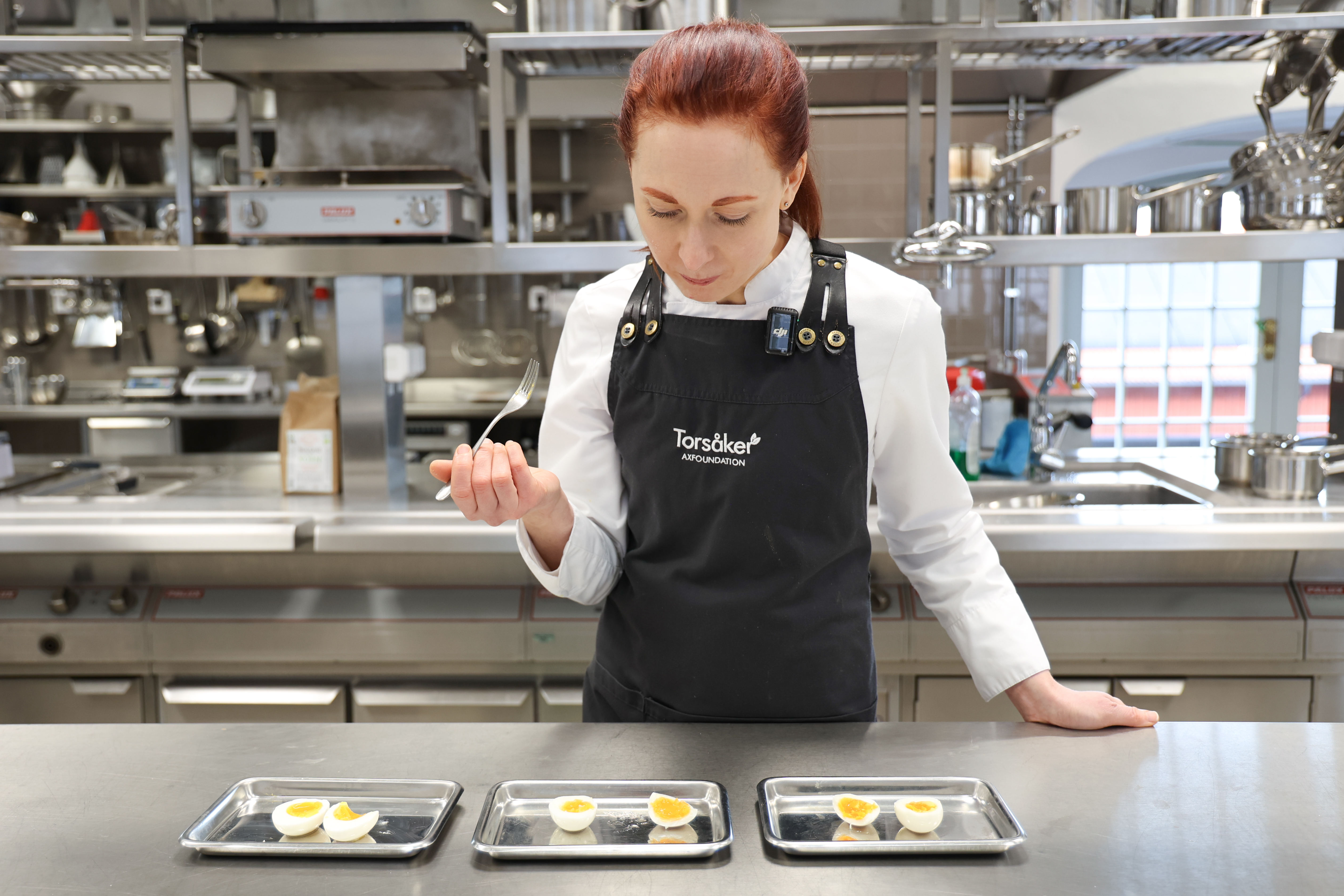
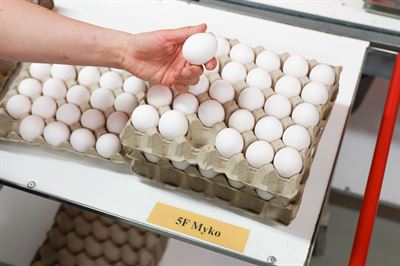
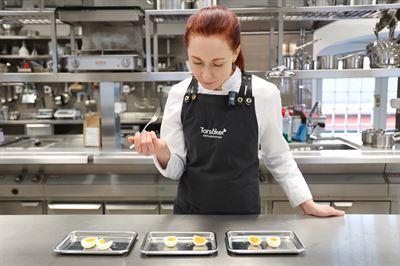
The laying hen feed is currently being tested in practice at the Swedish Livestock Research Center at SLU. Sensory evaluations conducted with chefs at Axfoundation’s development center Torsåker Farm show that the eggs match the quality and taste as conventional eggs. From March 24, the eggs will be available for a limited period at Urban Deli in Stockholm.
About The Feed of the Future
The Feed of the Future for Fish, Pigs, Poultry and Laying hens is a collaboration involving more than 25 partners across the entire food value chain. The project is led by Axfoundation and SLU and is partly funded by Sweden’s innovation agency Vinnova. A circular feed for fish was successfully developed in 2025, and feed solutions for pigs and poultry will continue to be tested in 2026. Partners are Axfood, Bodens Kommun, Cirkulär, Dapibuset, DC Farmers, Ecopelag EF, Ecoloop, Fiskhallen Sorunda, Grönsakshallen Sorunda, Hemköp, Kötthallen Sorunda, Lantmännen, Martin & Servera, NovaPro, Plant Protein Production, Ragn-Sells, Restaurang- och hotellhögskolan Campus Grythyttan, RISE Processum, Seaqure Labs, Stjärnägg, Svenska Foder, Urban Deli, Varva, Viking Fågel, Älvdalslax.
Facts & Figures – What We and Animals Eat
- Feed accounts for 50–90% of the climate impact of meat, fish, poultry, and eggs. For eggs, it represents approximately 80% of the impact. (RISE, MISTRA, Greppa)
- Poultry feed often contains imported soy. Organic poultry feed typically also includes fishmeal from wild-caught fish.
- Around 50% of agricultural land is used to produce animal feed. (Our World in Data, Royal Swedish Academy of Agriculture and Forestry)
- 68% of Swedish fish catches are used for feed. (Swedish Agency for Marine and Water Management)
- Sweden generates 1.3 million tonnes of food waste annually. (The Swedish Environmental Protection Agency)
- Soy requires up to 1,000 times more land per kg of protein than mykoprotein and can have up to 5 times higher climate impact. (NORSUS, Brancoli et al. 2021, Foder och Spannmål RKFS, EFPRA)
- Swedes consume 245 eggs per person per year. Around 75 million eggs are consumed during Easter in Sweden. (Svenska Ägg)
- Soy is a common feed ingredient, typically grown in large-scale monocultures with negative biodiversity impacts and heavy pesticide use. The soy used in Swedish feed today is almost alway certified for example RTRS. (WWF, Swedish Society for Nature Conservation)
More information about the feed of the future at axfoundation.se
Press contact
- Linda Andersson, Media Relations, Axfoundation,
, +46 (0)73 – 087 15 70
- Christian Sjöland, Project Manager within Future Food, Axfoundation,
, +46 0)76 – 119 16 35
- Emma Ivarsson, Senior Lecturer in Nutrition, Especially Poultry and Pig,
the Swedish University of Agricultural Sciences (SLU),
, +46 (0)18 – 67 20 44
- Johan Henriksson, CEO & Co-founder, Seaqure Labs,
, +46 (0)70 – 369 98 68


All pressreleases


Updates on Future Food
-

Could Hemp Seeds be the Future of Food?
2026-03-30
-

A Planetary Menu for Everyday Swedish Meals
2025-10-22
-

Can PFAS Save the Baltic Sea?
2025-04-22
-

More of the Plant Should Become Food
2025-02-24