Swedish technology boosts iron absorption from whole grains, now scaled in a new snack
2026.05.04

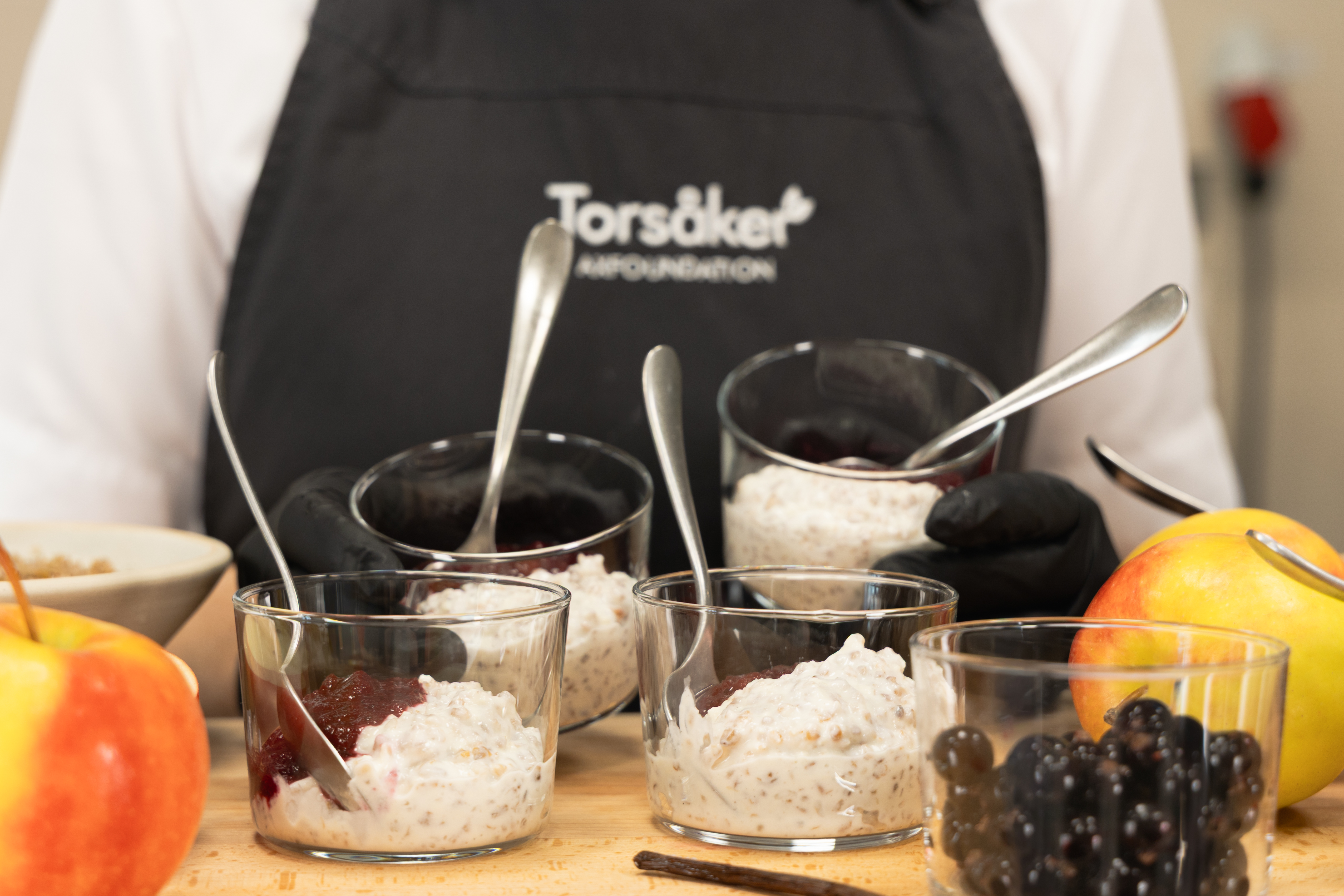
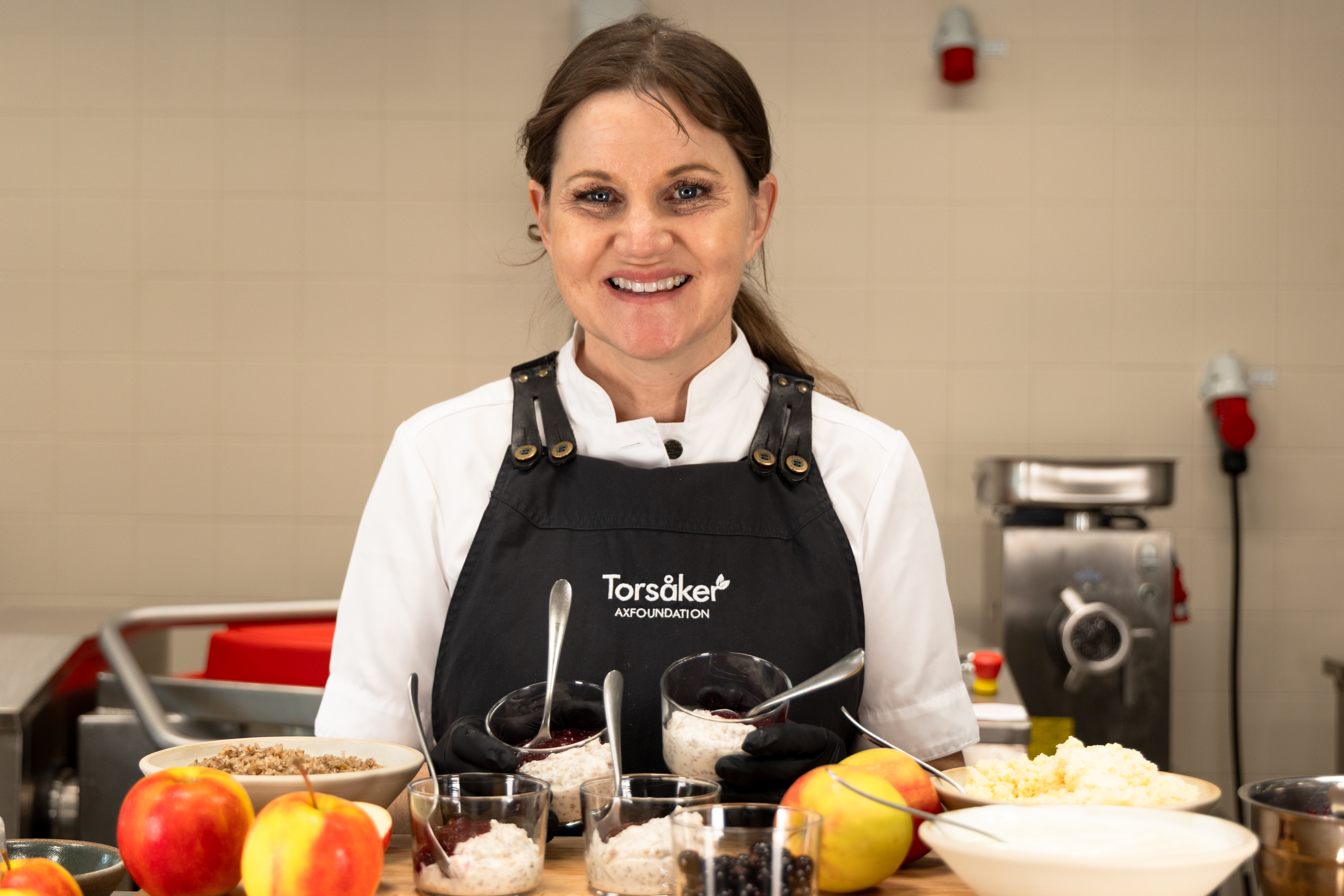
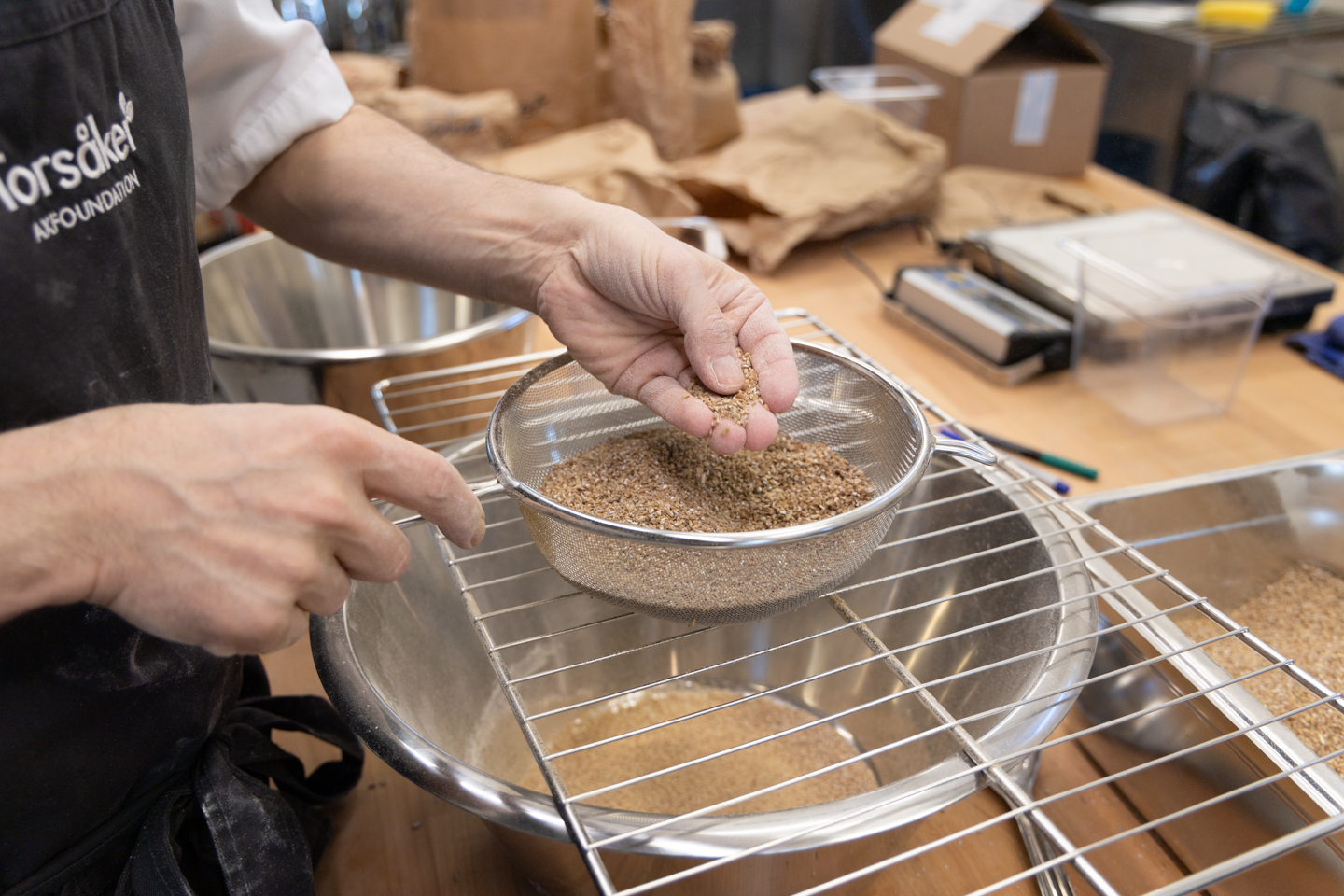
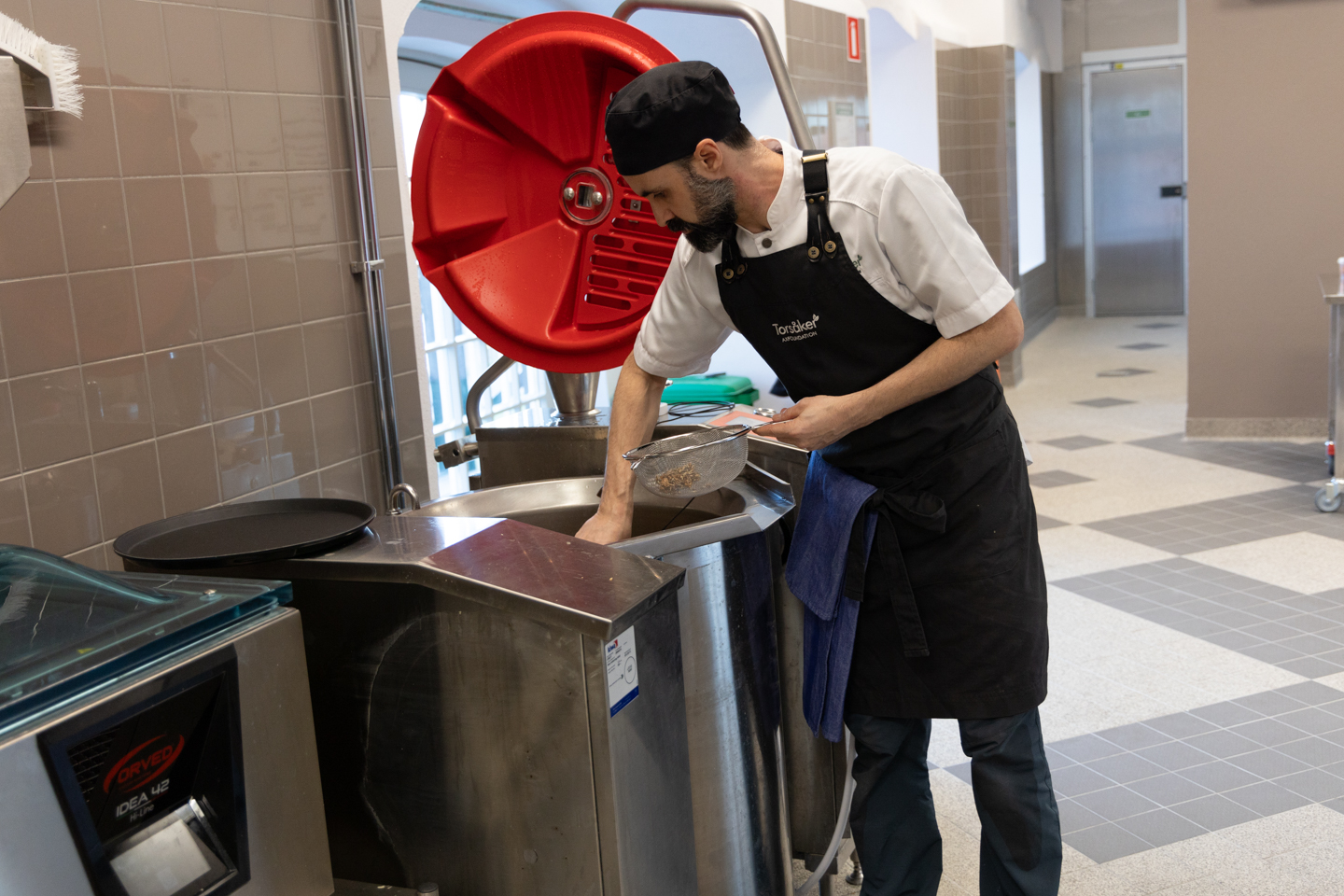
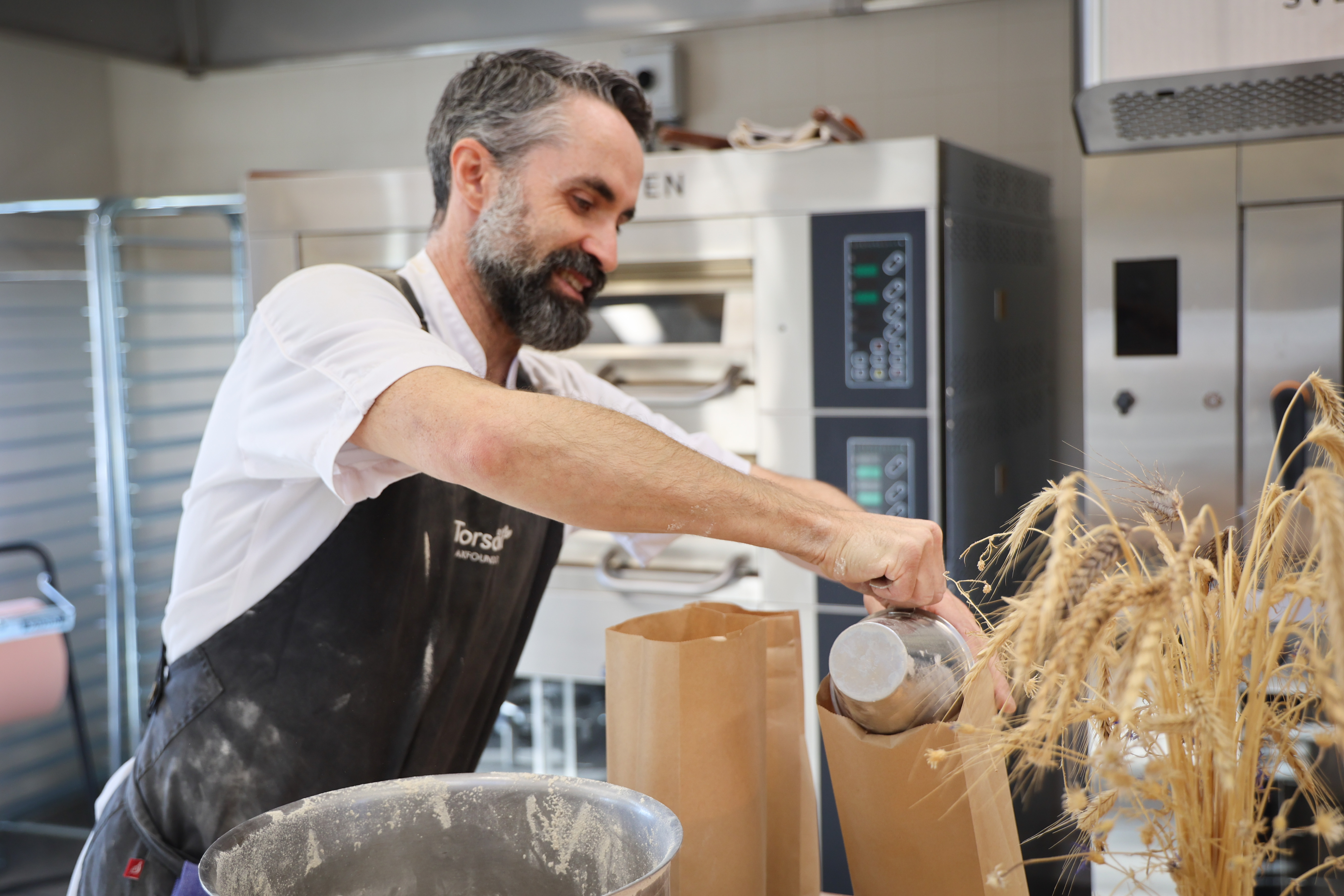
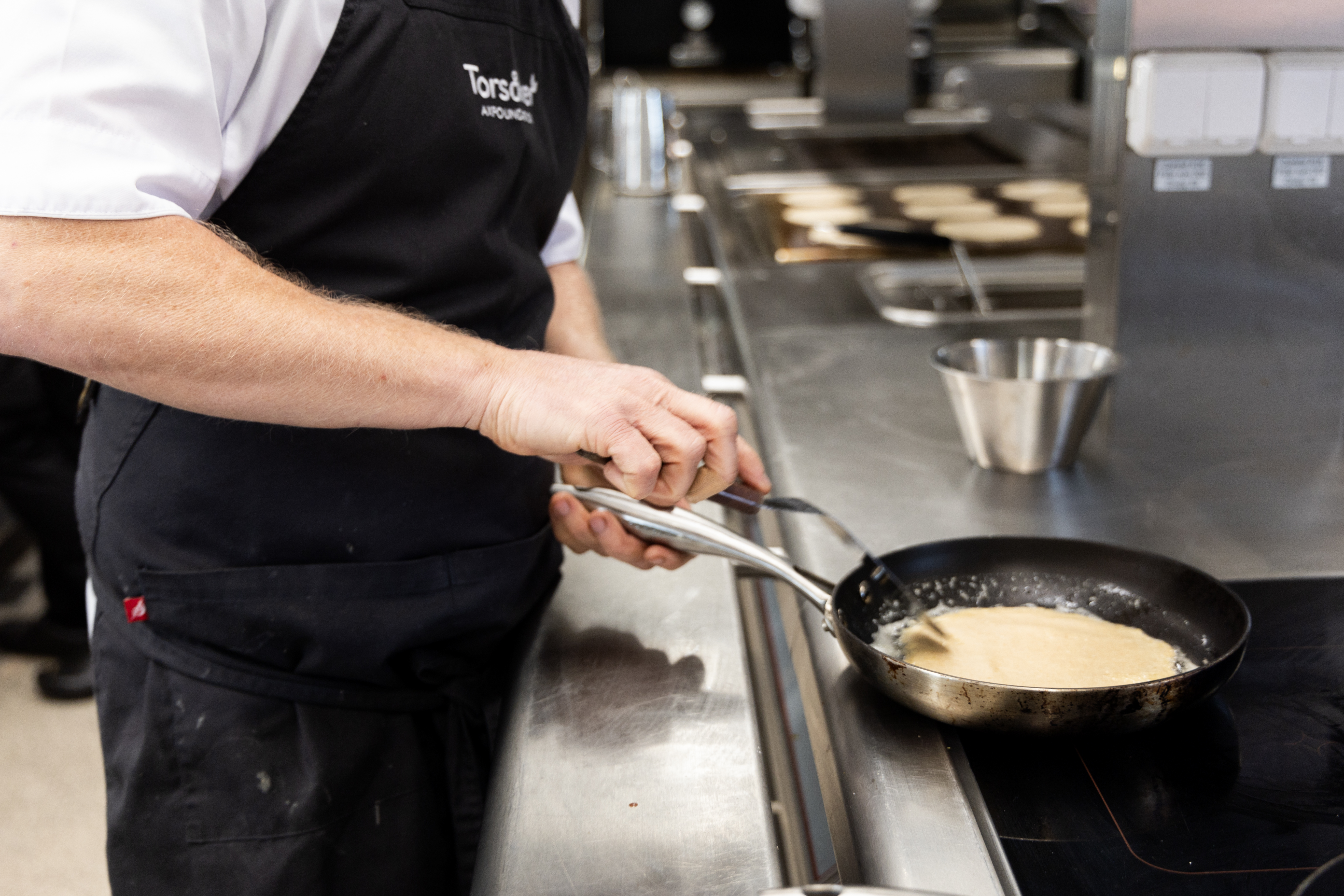
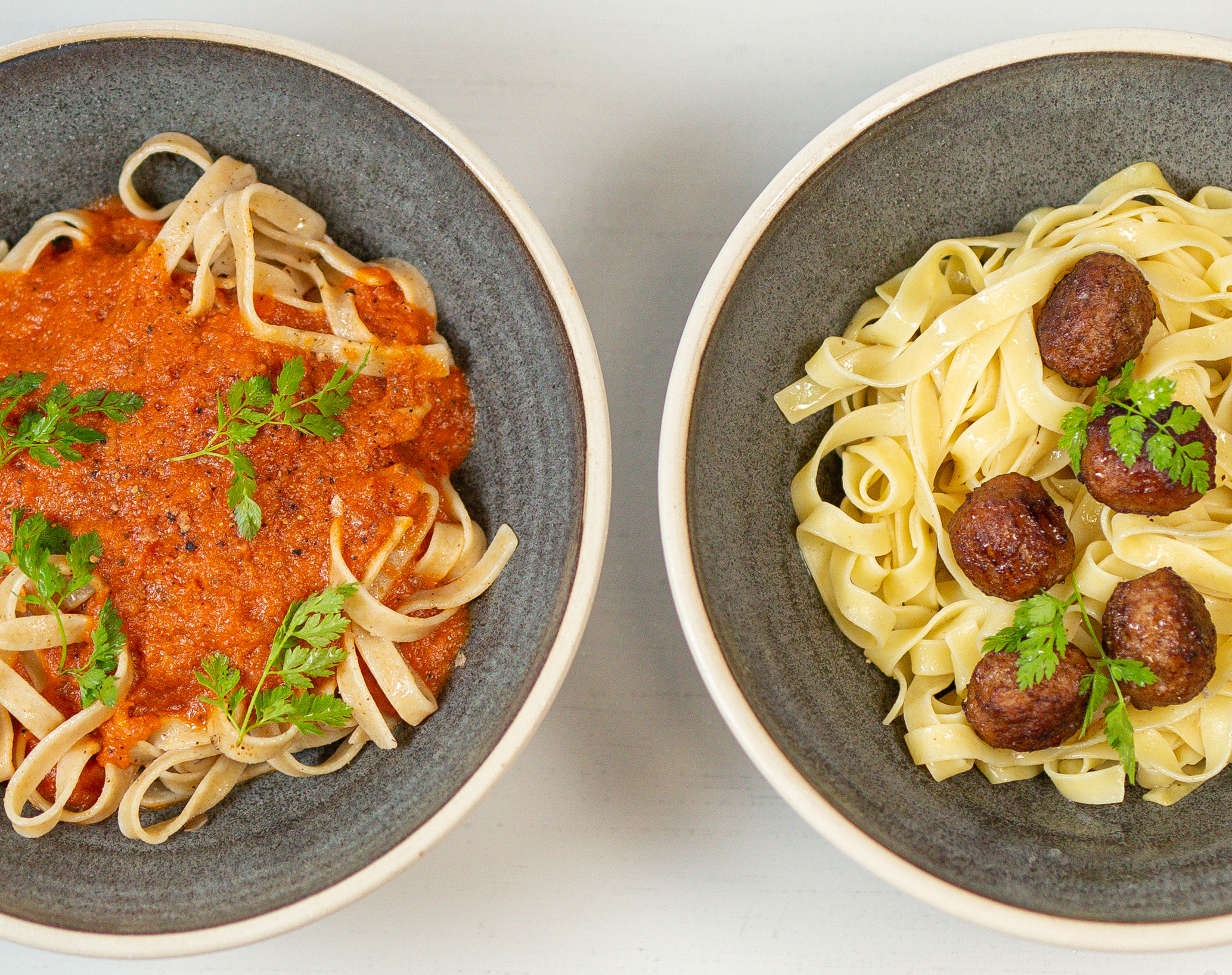
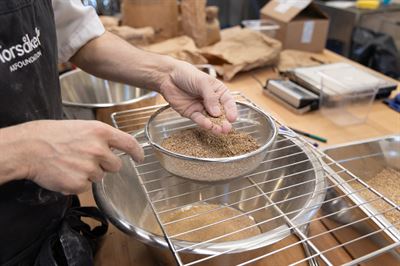
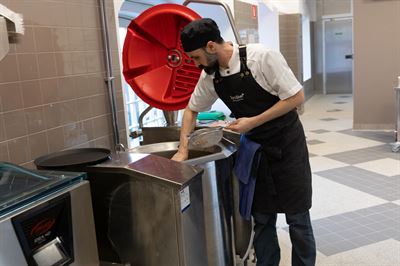
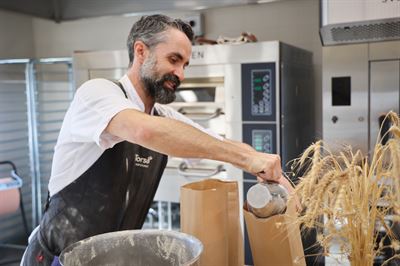
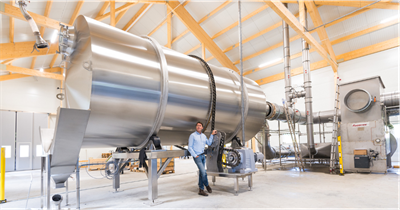
Råggyberry was developed at Torsåker Farm, Axfoundation’s development center, where research on hydrothermal processing, making minerals in whole grains more available for the body to absorb, is translated into the next generation of whole-grain products. Photo: Axfoundation
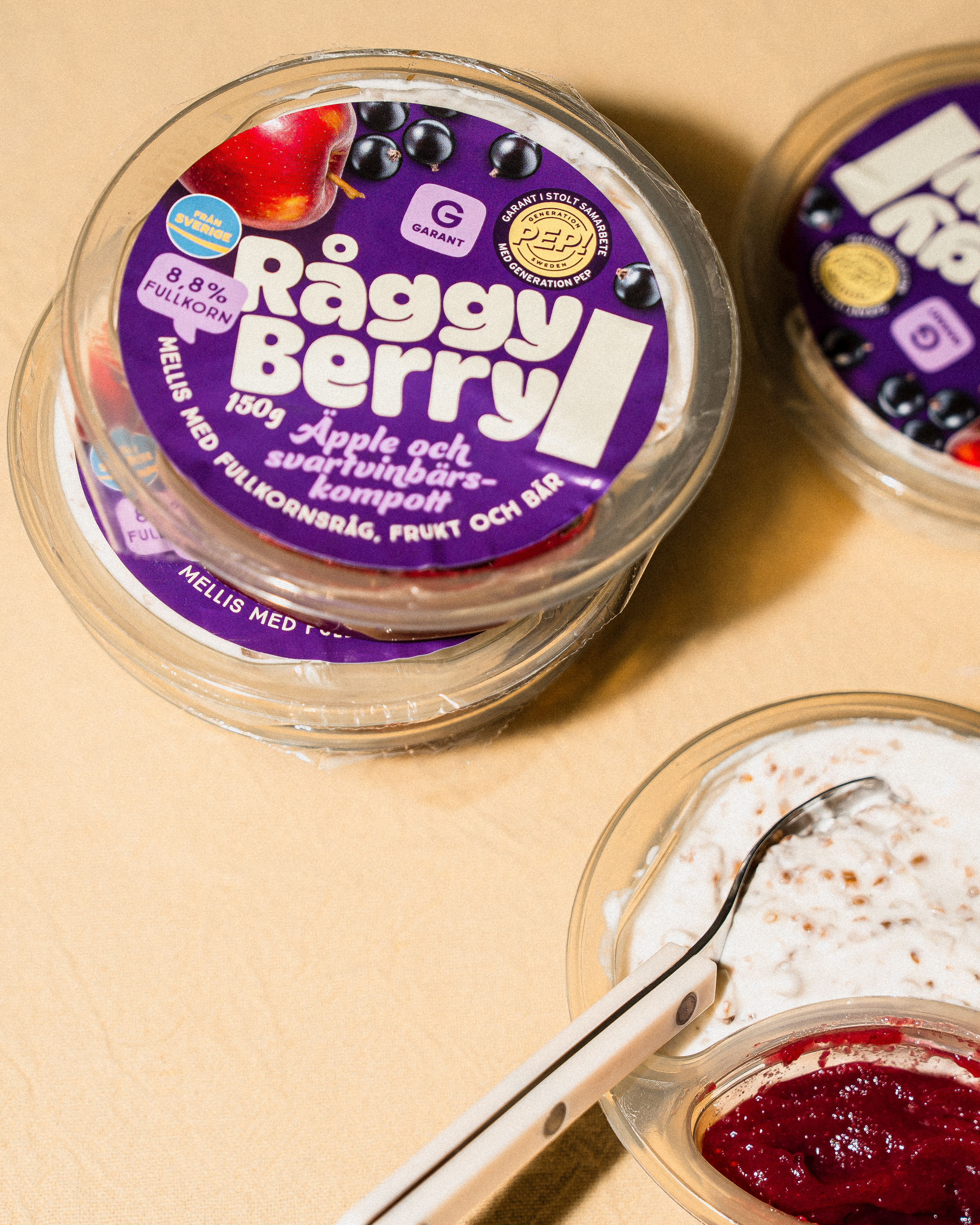
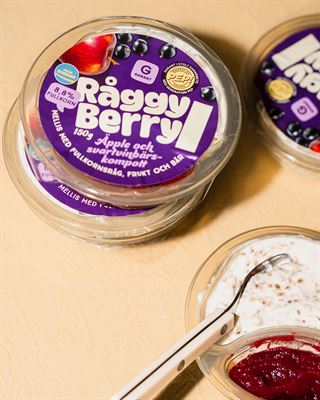
One out of three girls and young women has iron deficiency, and nine out of ten people need to eat more whole grains. Yet the body absorbs minerals from grains less efficiently. Swedish research and innovation now show how both challenges can be addressed through hydrothermal processing, making minerals in grains almost as available as those in meat. A new smart snack, Råggyberry, developed by Axfoundation, Good Grains, Generation Pep, Urban Deli, and Axfood, paves the way for large-scale use of the technology.
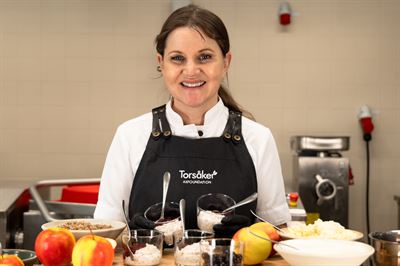
“Almost everyone would benefit from eating more whole grains, and hydrothermal treatment helps the grain release its nutrients, making it easier for the body to absorb important minerals such as iron. With Råggyberry, we show how research and collaboration can translate into better everyday food,” says Anna Henning Moberg, Head of Operations at Axfoundation’s Torsåker Farm.
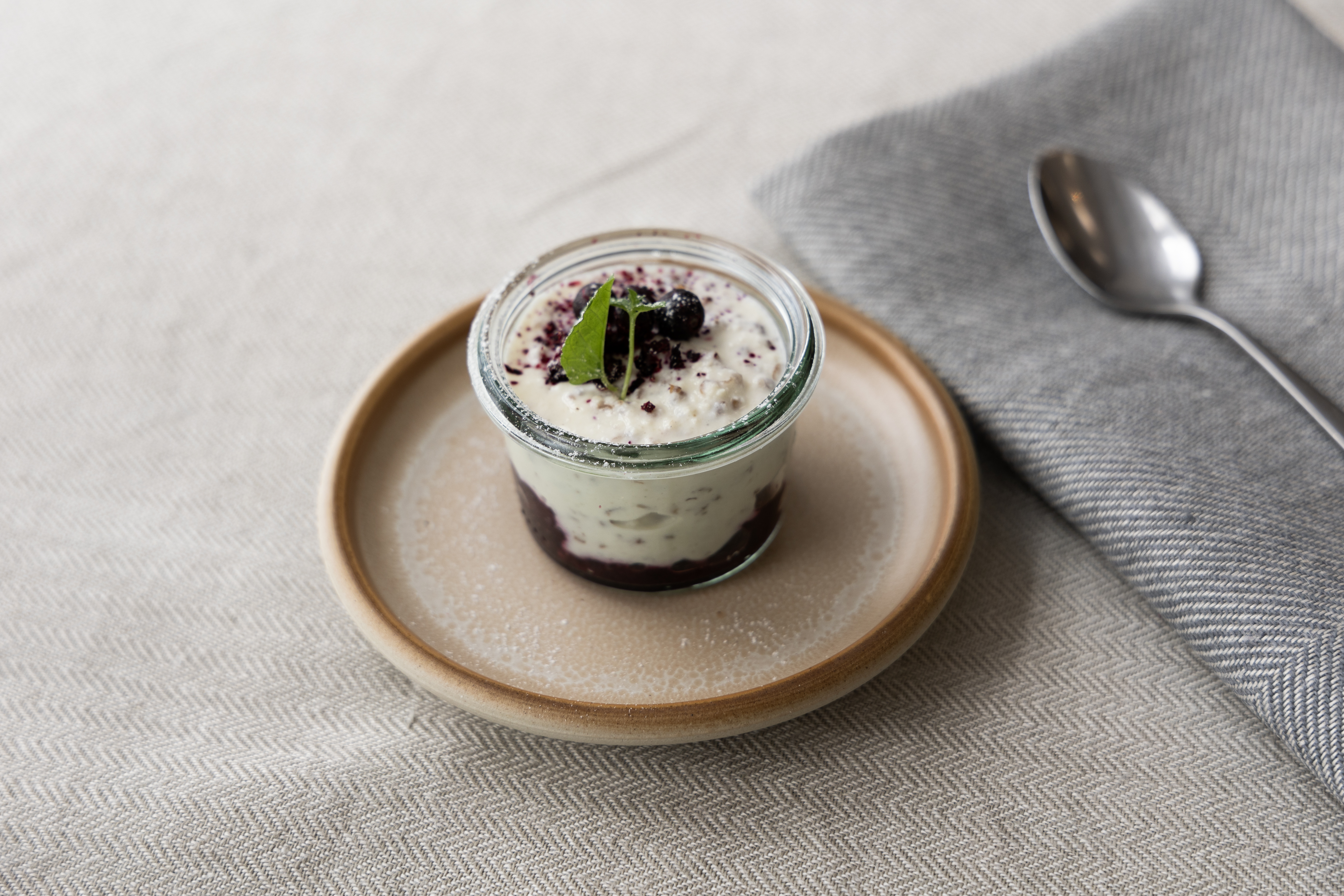
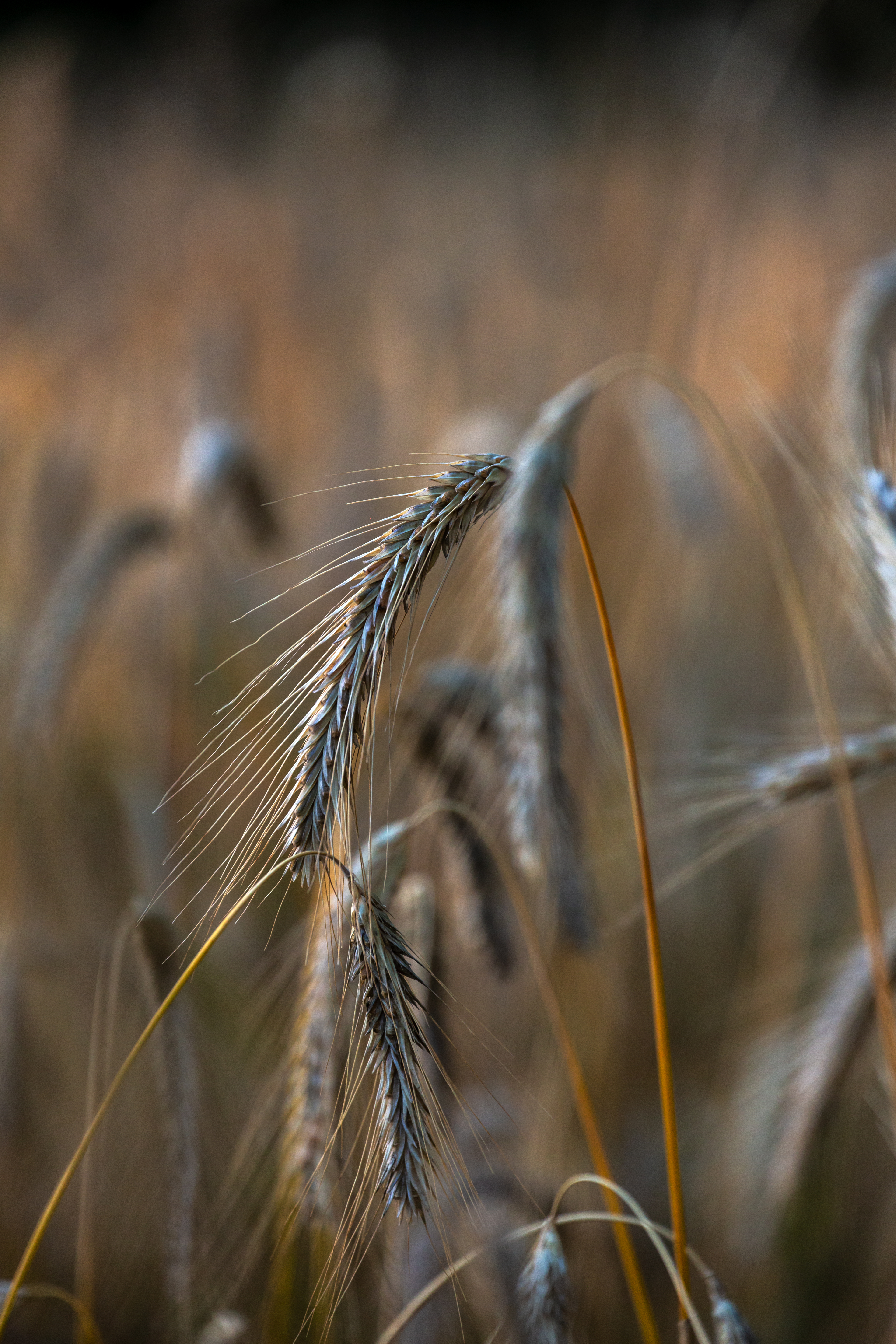
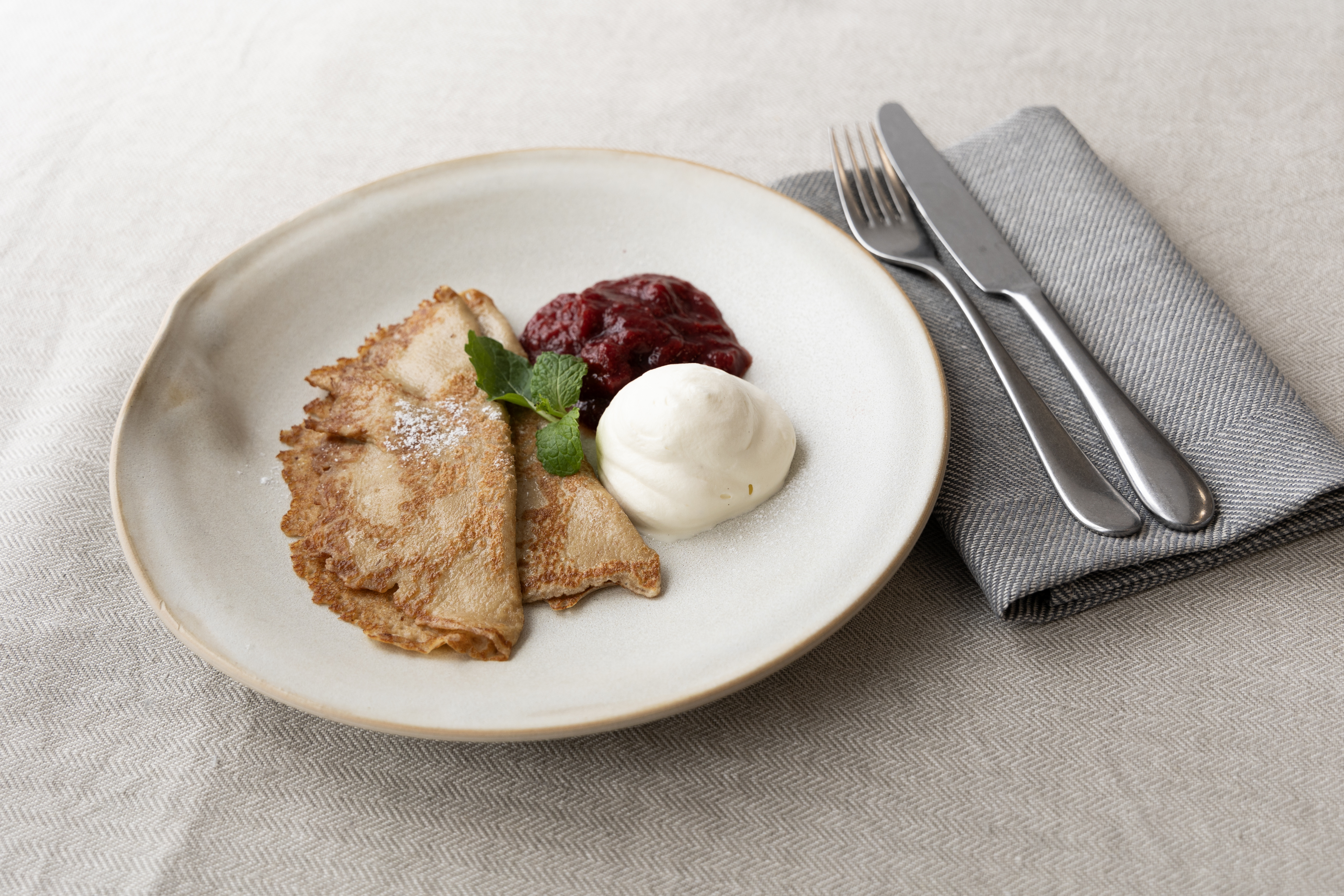
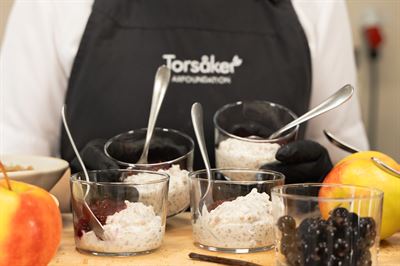
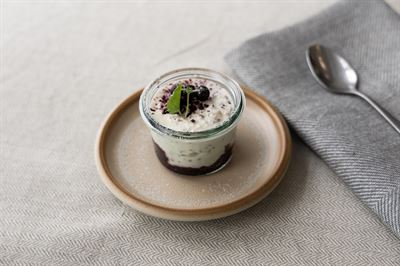
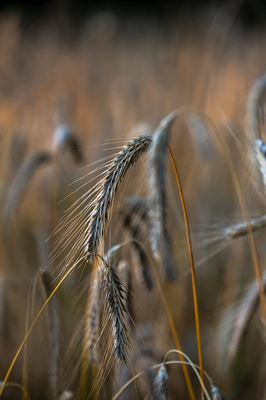
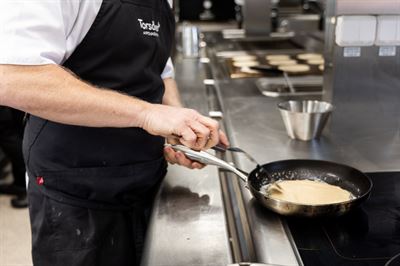
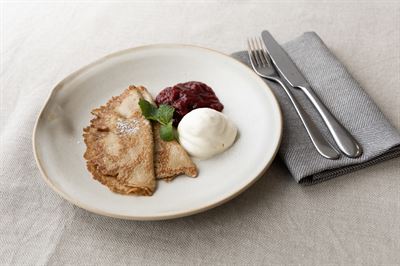
Råggyberry is a snack made from whole-grain rye, yogurt, and upcycled ingredients from grill cheese production at Falköpings Mejeri. The snack is topped with a compote of apple and blackcurrant. The snack was developed at Axfoundation’s Torsåker Farm as part of The Mineral Shift, an innovation project led by MatLust Development Node in collaboration with partners across the food value chain. The product builds on technology developed by Swedish food-tech company Good Grains.
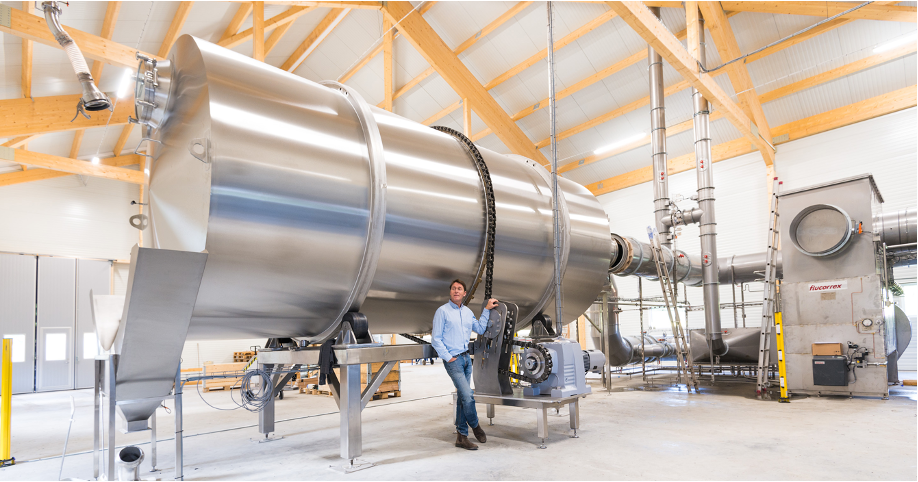
Hydrothermal treatment, using water and heat, activates the grain’s natural enzymes. These break down phytic acid, a compound that binds minerals and limits their absorption. Results from the project show that up to 99 percent of phytic acid can be broken down, making around four times more iron and zinc available for absorption. In practical terms, minerals in grains can approach the bioavailability of those in meat.
“Through decades of research, we have refined a traditional method that significantly improves how the body utilizes minerals from grains such as rye, barley, and wheat. This strengthens the nutritional value of plant-based foods and their role in future diets,” says David Fredlund, CEO of Good Grains.
Following a pilot at Urban Deli, a Stockholm-based destination for future food with restaurant, deli, and retail store, production has now been scaled by Dagab. From May 4, Råggyberry will be available in stores across Sweden in collaboration with Generation Pep. The product will be sold under Axfood’s Garant private label in chains such as Hemköp, Tempo, Willys, and City Gross, as well as at Urban Deli.
“We want to make it easier for more people to eat healthy, great-tasting food. Together with Generation Pep, we aim to support better eating habits among children and young people. Råggyberry shows how innovation can go all the way to the shelf, making a nutritious snack accessible to many,” says Ellinor Puerto, Head of Private Label Product Development at Dagab.
Facts
- Whole-grain intake is low globally
In Sweden, 9 out of 10 people eat less whole grain than recommended (Swedish Food Agency). Across Europe, whole-grain intake varies widely between countries, for most countries estimated to 10–30 grams per day and below recommended levels (European Commission). In the United States, almost 98 percent of the population does not meet whole-grain intake recommendations (U.S. Department of Agriculture). - Iron deficiency remains widespread
In Sweden, 25-40 percent of girls and young women have iron deficiency, rising to around 70 percent among those following vegetarian diets (European Journal of Nutrition). In Europe, prevalence of anemia is estimated at around 15-40 percent among women of reproductive age, and in the United States, around 10 percent (WHO). - Hydrothermal processing improves mineral absorption
Minerals in grains are typically less bioavailable than those in meat due to phytic acid. Hydrothermal treatment using water and heat can break down up to 99 percent of phytic acid. This makes significantly more iron, zinc, and other minerals available for absorption, in some cases approaching levels seen in animal-based foods (The Mineral Shift).
The Mineral Shift Project
The Mineral Shift project was led by MatLust Development Node in collaboration with Axfoundation, Good Grains, and Warbro Kvarn, with funding from Sweden’s innovation agency Vinnova. The Division of Food and Nutrition Science (FNS) at Chalmers University of Technology, Axfood, Dagab, Urban Deli and Middagsfrid also contributed to the project. The goal was to contribute to solving the mineral absorption challenge in the shift toward more plant-based diets and to develop the next generation of flavorful and healthy whole grain products using barley, rye, and wheat.
Read more about the project The Mineral Shift
Report: The Next Generation Whole Grain Products
Contact
- Linda Andersson, Media Relations, Axfoundation
, +46 (0)73-087 15 70 - Anna Henning Moberg, Head of Operations, Torsåker Farm, Axfoundation
, +46 (0)73-990 77 79 - David Fredlund, CEO, Good Grains
, +46 (0)70-832 69 87 - Ellinor Puerto, Assortment Development Manager Private Label, Dagab
, +46 (0)72-520 41 15


All pressreleases


Updates on Future Food
-

Could Hemp Seeds be the Future of Food?
2026-03-30
-

A Planetary Menu for Everyday Swedish Meals
2025-10-22
-

Can PFAS Save the Baltic Sea?
2025-04-22
-

More of the Plant Should Become Food
2025-02-24