Swedish Trials Show Circular Feed Can Cut Environmental Impact Across Four Animal Sectors
2026.11.03

Three years of Swedish trials have shown that mycoprotein, insect meal and mussel meal can help replace soy and fishmeal in feed for fish, chickens, pigs and laying hens – with lower environmental impacts. Led by Axfoundation and the Swedish University of Agricultural Sciences (SLU), more than 25 partners tested the entire value chain in practice, from regional protein production and industrial feed manufacturing to animal farming and sales. The results point to significant potential for wider use, but scaling up requires investment, long-term purchasing commitments and clearer, risk-based regulations.
“Today’s feed system relies heavily on imported raw materials and consumes vast amounts of land and marine resources. At the same time, valuable nutrients from our forests, seas and food industry remain underused. It makes little sense to waste these resources when we can turn them into feed with real environmental benefits. We’ve shown that it works in practice. Now businesses and policymakers need to create the conditions for these solutions to grow,” says Madeleine Linins Mörner, Program Director, Future Food, Axfoundation.
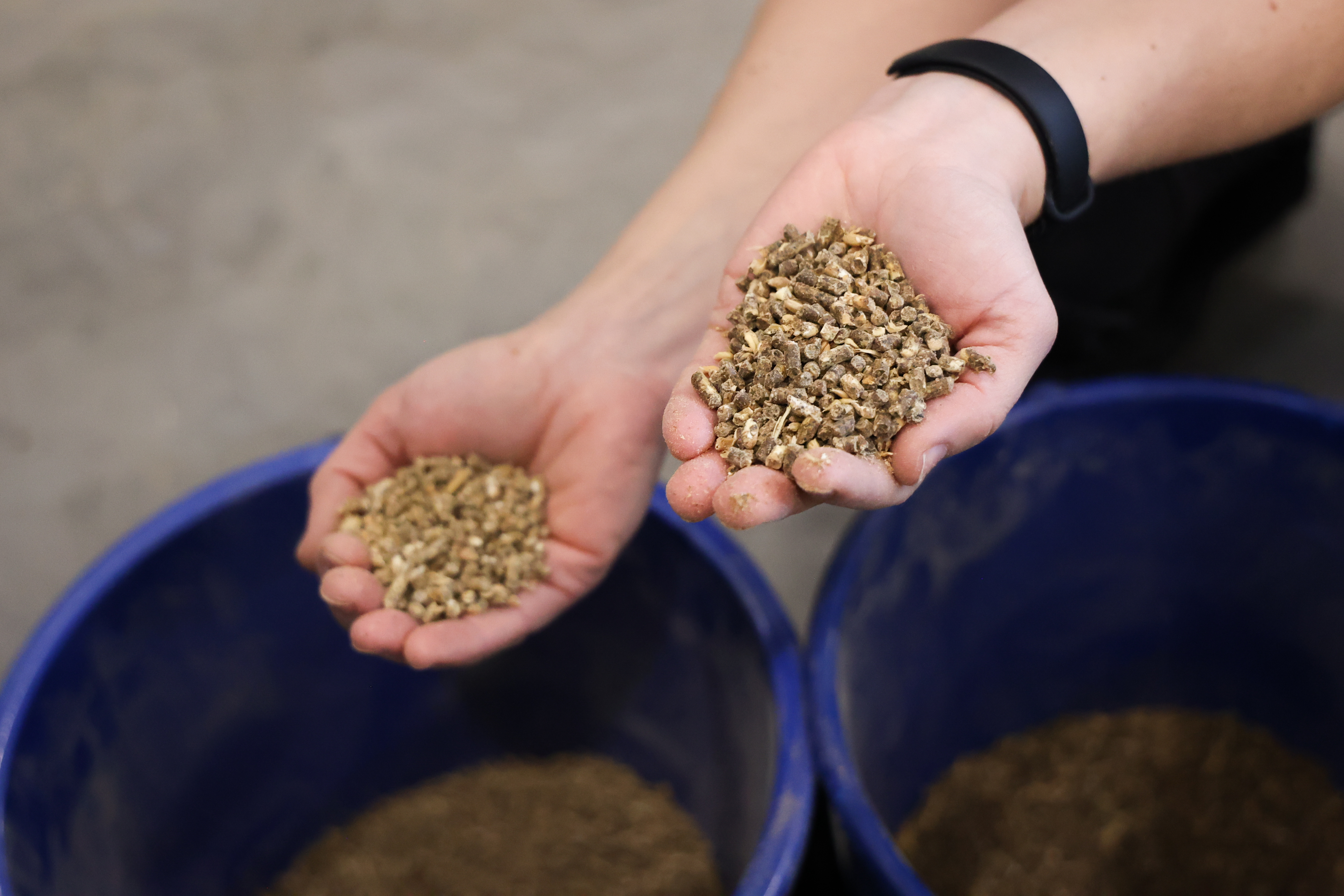
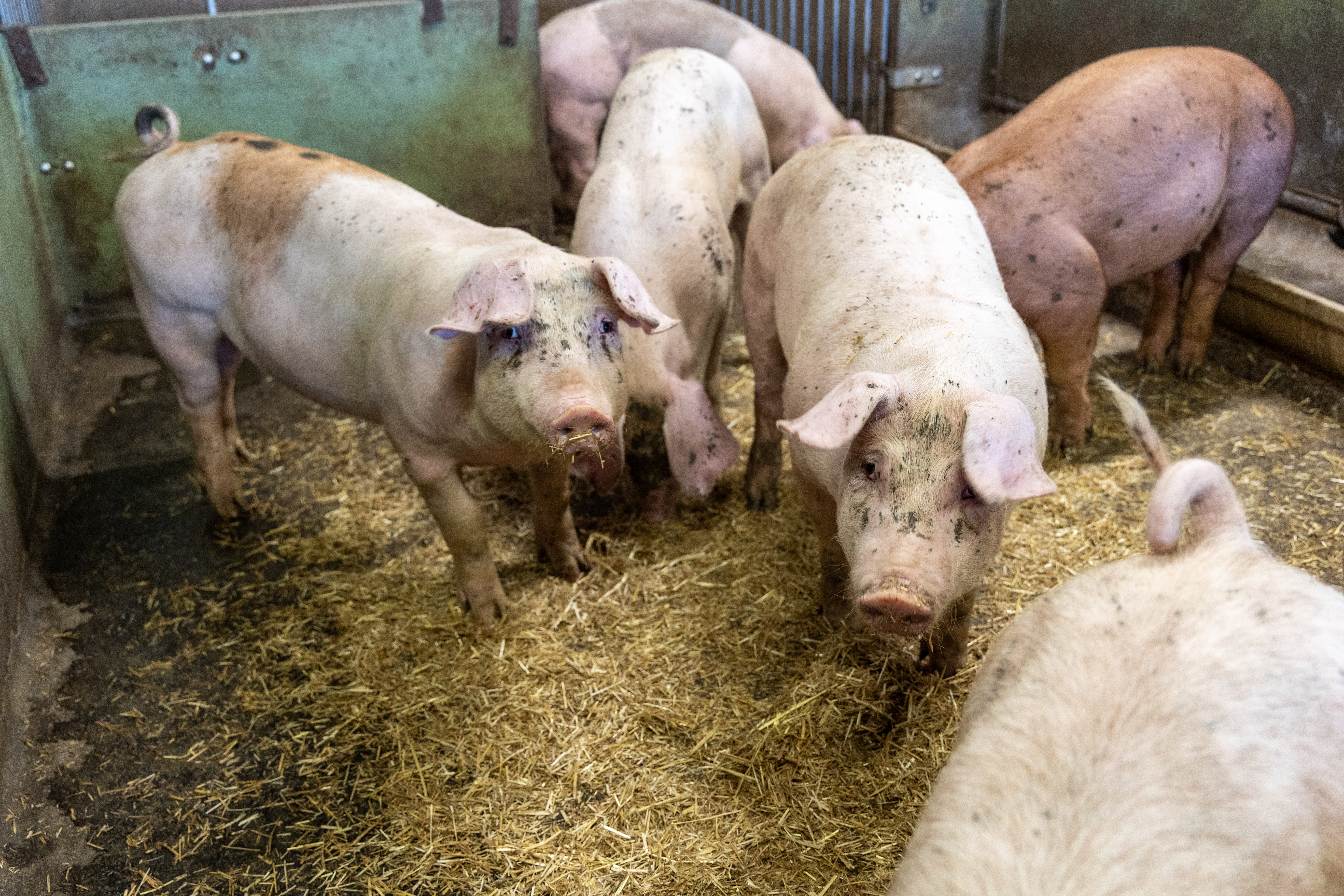
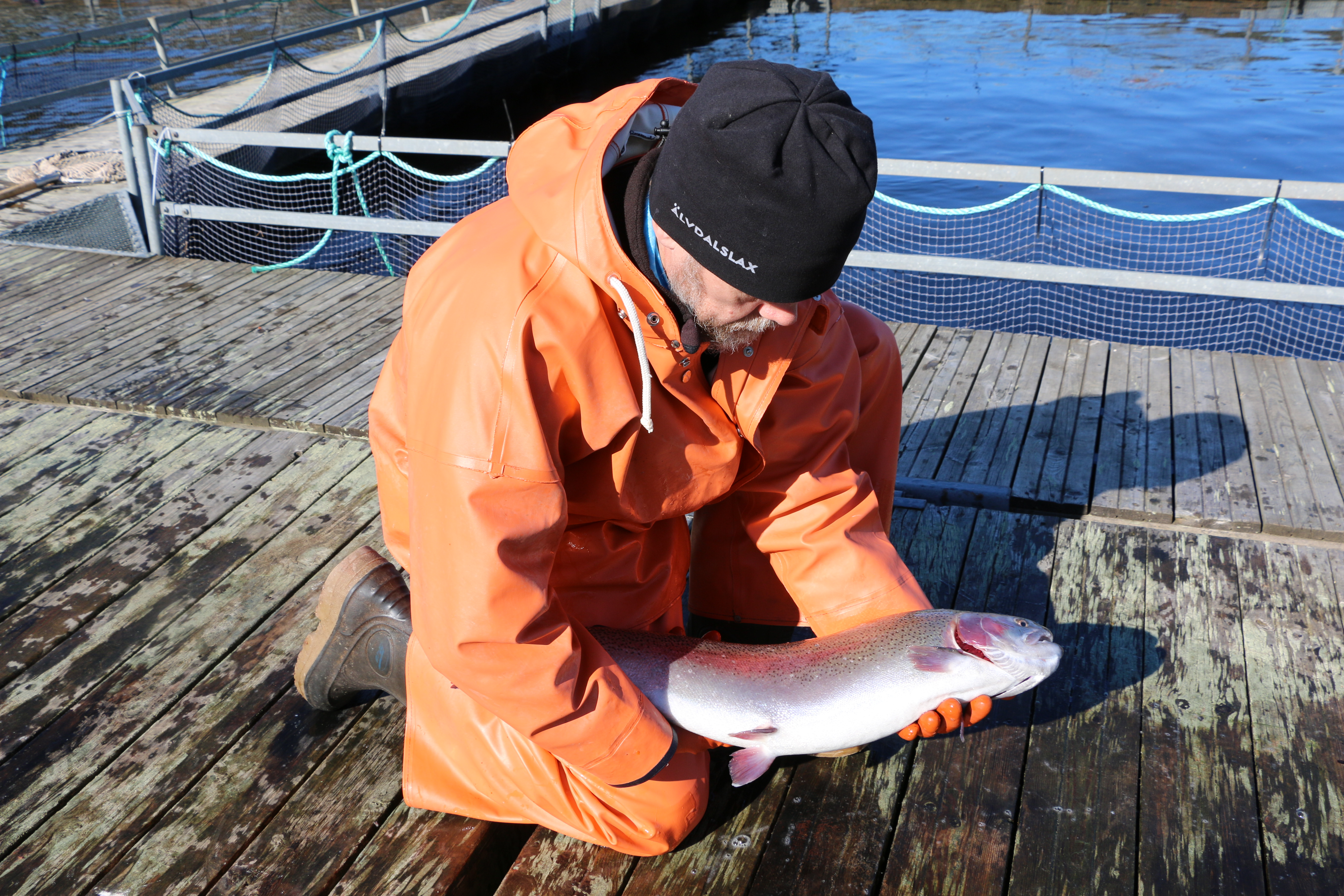
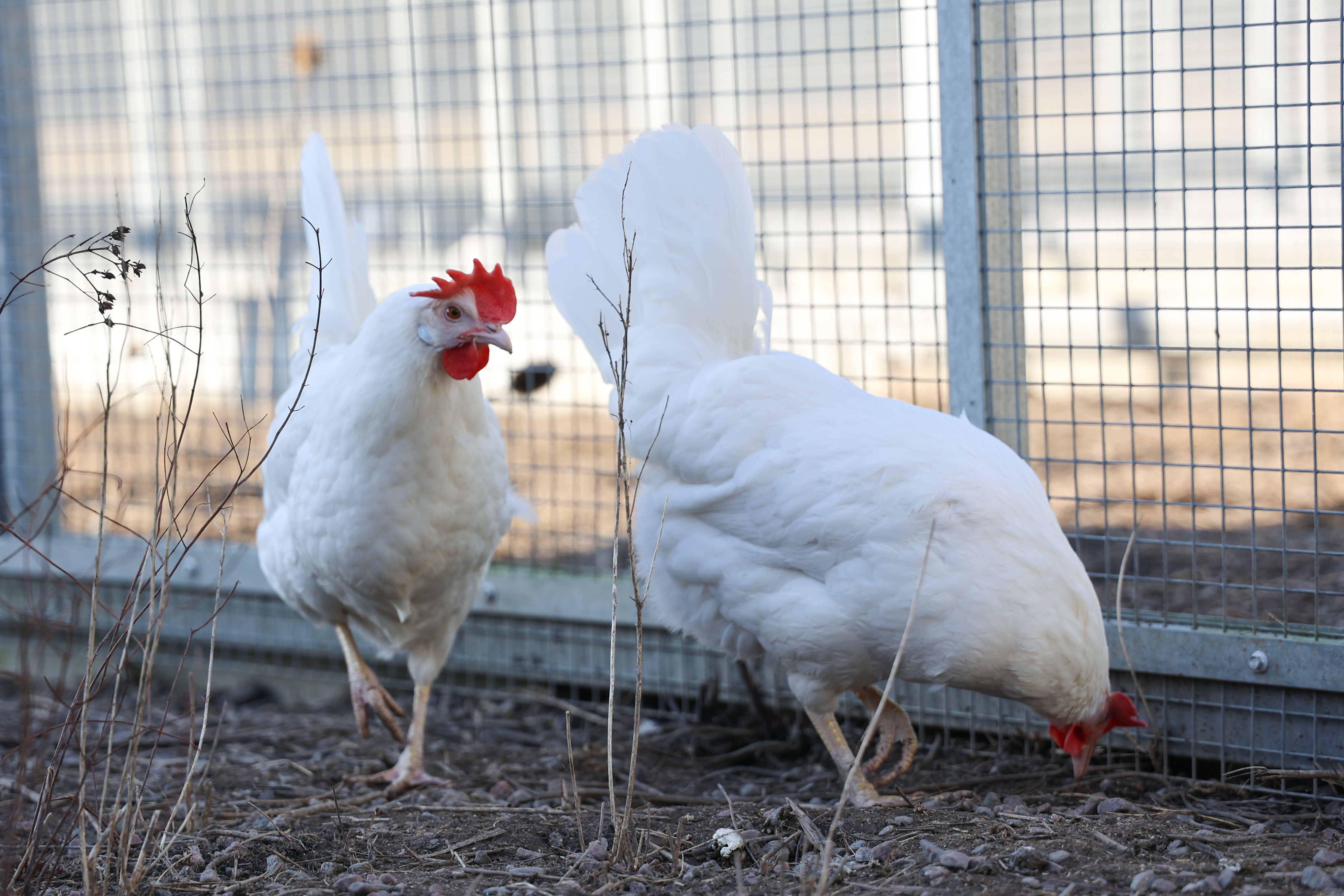
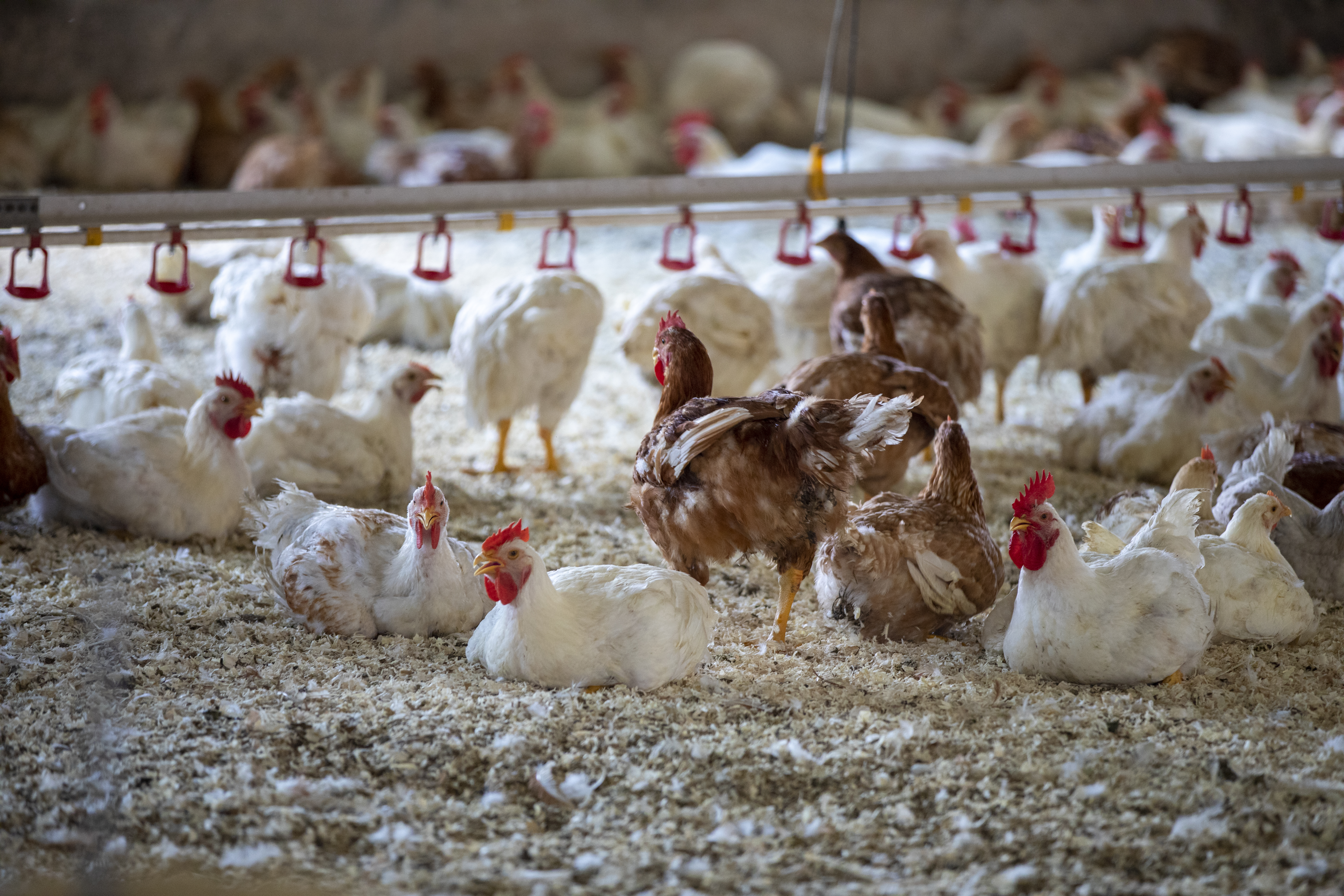
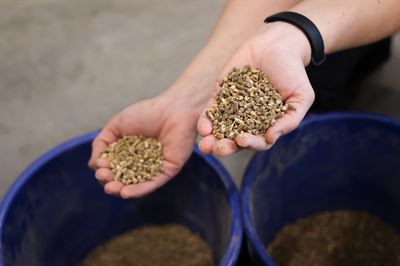
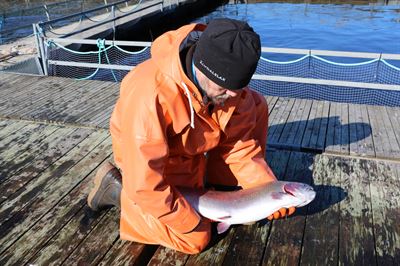
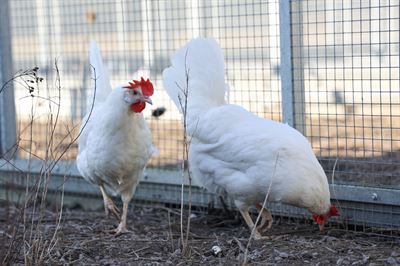
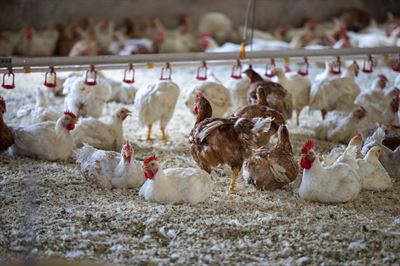
The project developed soy- and fishmeal-free feeds using mycoprotein, mussel meal and insect meal made with residual streams. Fish and pigs achieved growth comparable to reference animals, while laying hens maintained egg production. Broiler chickens grew more slowly, in a trial affected by pilot-production limitations and simultaneous changes in the feed supply chain. Fish, chicken, pork and eggs from the trials were sold or served in Sweden.
Lower environmental impact across all four feed categories
Life cycle assessments showed that the project feeds reduced land use by 7–40 percent across all four animal categories compared with reference feed formulations, per kilogram of feed. Climate impact was lower for the fish, chicken and laying hen feeds, while eutrophication potential was lower for the fish, chicken and pig feeds. The findings demonstrate that circular feed ingredients can reduce environmental pressures by making better use of existing resources and reducing reliance on conventional protein sources.
Researchers at SLU evaluated the nutritional properties of the feed ingredients and animal performance, including protein and amino acid digestibility studies in pigs and broiler chickens.
“Circular proteins can provide valuable alternatives to conventional feed ingredients, but protein content alone does not tell us how well an ingredient works. Digestibility, amino acid composition and consistent quality are essential for developing feeds that meet the animals’ nutritional needs,” says Emma Ivarsson, Senior Lecturer, Department of Applied Animal Science and Welfare, SLU.
One industrial side stream could yield 360,000 tons of mycoprotein
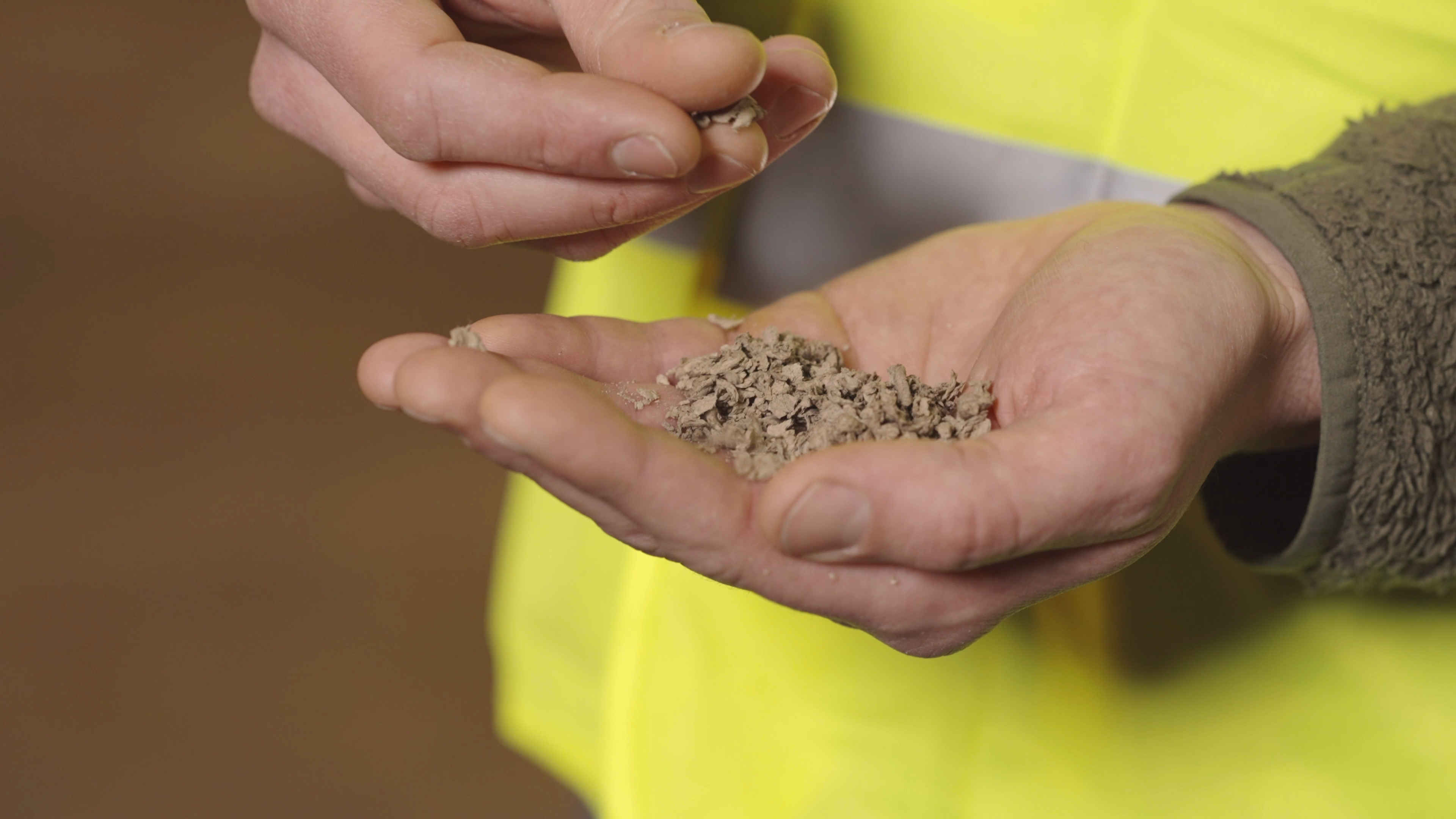
Project calculations indicates that a single underutilized Swedish industrial side stream could theoretically yield approximately 360,000 metric tons of mycoprotein annually – more than Sweden’s total annual soy imports for animal feed, by weight.
Despite the technical progress, circular feed proteins remain more expensive than conventional alternatives, and production capacity is limited. Scaling up requires ingredient producers to invest before demand is established, while feed manufacturers and farmers need reliable supplies and food buyers need products at workable prices.
The project highlights the need for greater transparency about feed ingredients, enabling buyers to make informed purchasing decisions. The project also identifies clearer, risk-based regulations, shared investment risks, and long-term purchasing commitments as important conditions for wider adoption.
“Feed accounts for a significant share of the environmental impact of many animal products, making it a natural focus area in our sustainability efforts. Demand for more sustainable feed will not necessarily be driven by consumers; rather, it requires the rest of the value chain to take shared responsibility. By creating demand for more sustainable feed, we can provide producers with better conditions to invest,” says Helena Allard, Sustainability Innovator at Axfood.
The project partners also recommend stronger support for industrial investment, better coordination among regulatory authorities and closer Nordic and European cooperation to facilitate wider use of circular feed ingredients.
Background
The Feed of the Future for Fish, Pigs, Poultry and Laying Hens (2023–2026) aimed to develop and test circular feed ingredients that improve resource efficiency, reduce the environmental impact of animal feed and strengthen food system resilience. Led by Axfoundation and SLU, the project brought together organizations from research, protein production, feed manufacturing, agriculture, aquaculture, retail and foodservice. It received partial funding from Vinnova, Sweden’s innovation agency. Partners include: Axfoundation, SLU, Axfood, Boden Municipality, Cirkulär, Dapibuset, DC Farmers, Ecopelag EF, Ecoloop, Fiskhallen Sorunda, Grönsakshallen Sorunda, Hemköp, Kötthallen Sorunda, Lantmännen, Martin & Servera, NovaPro, Plant Protein Production, Ragn-Sells, School of Hospitality, Culinary Arts and Meal Science at Örebro University, RISE, Seaqure Labs, Stjärnägg, Svenska Foder, Urban Deli, Varva, Vattenfall, Viking Fågel and Älvdalslax.
Key facts and figures
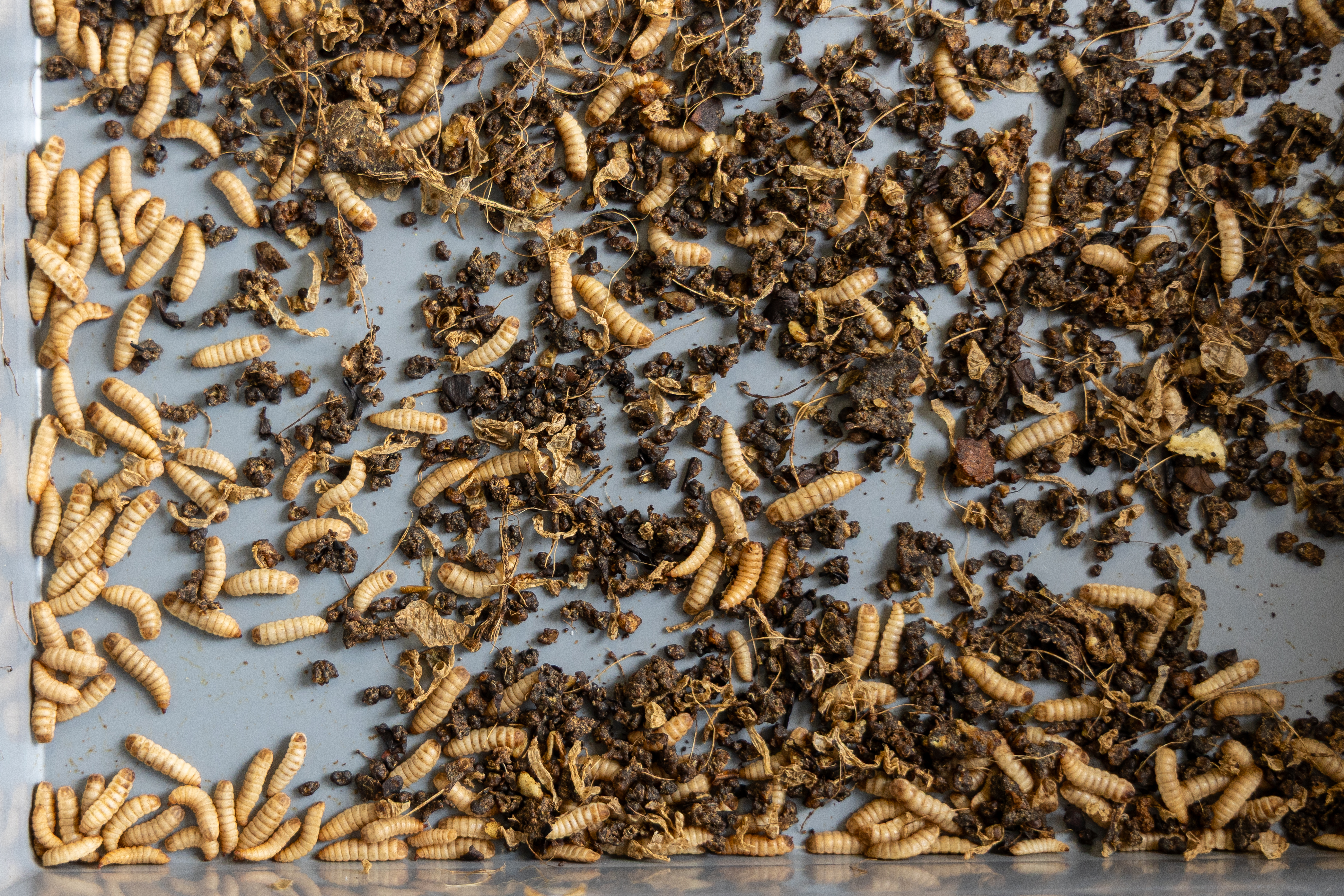
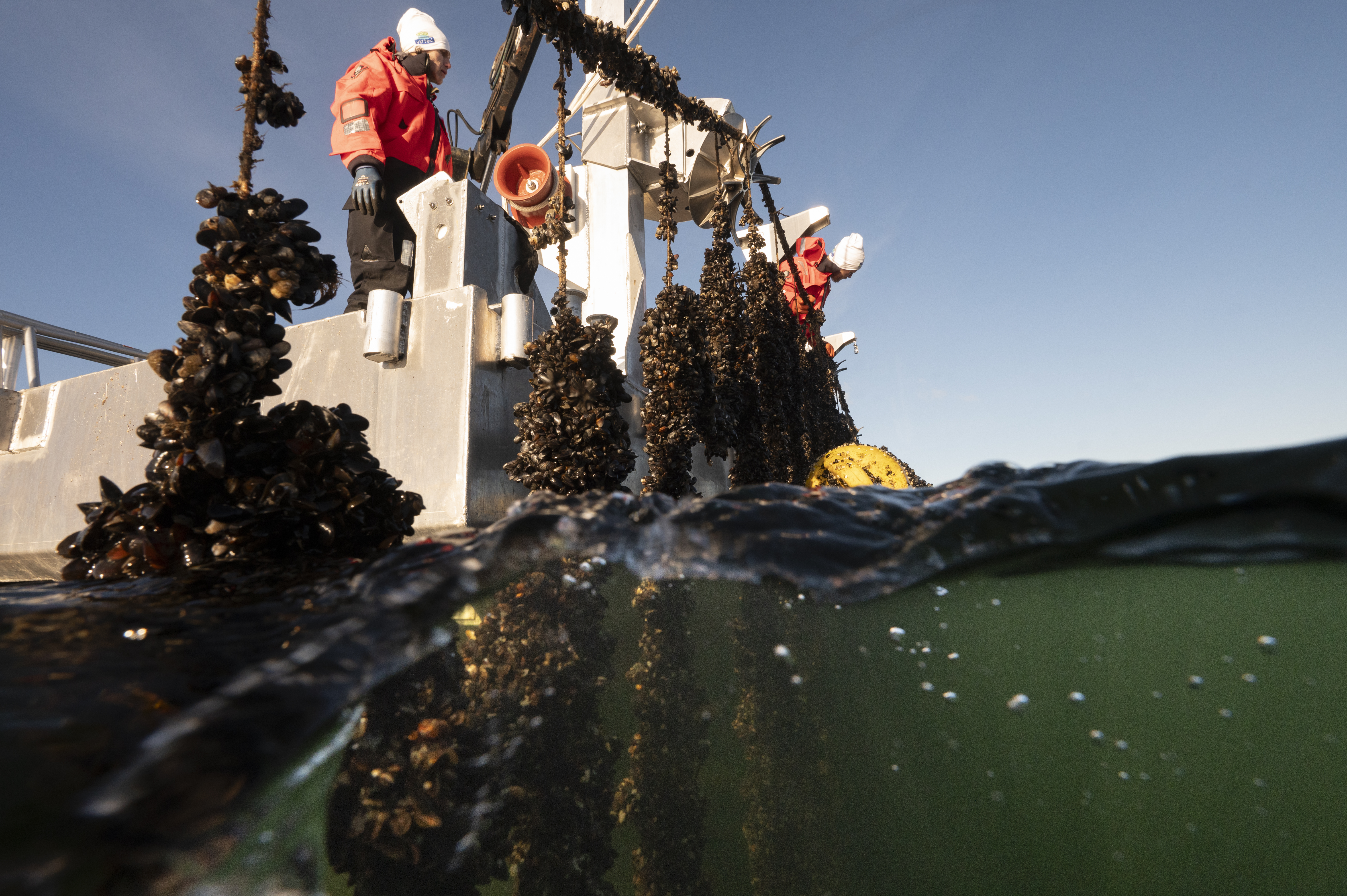
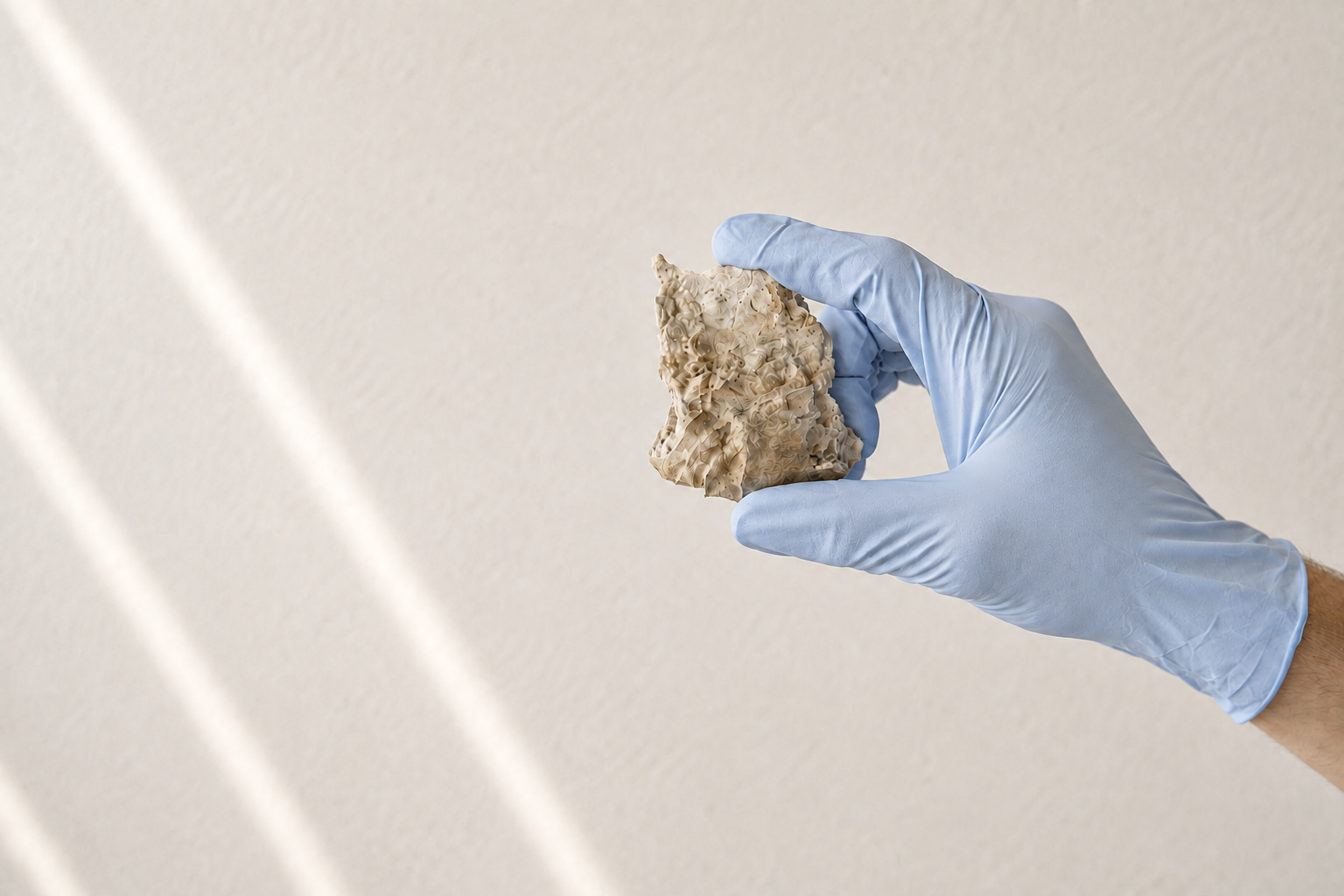
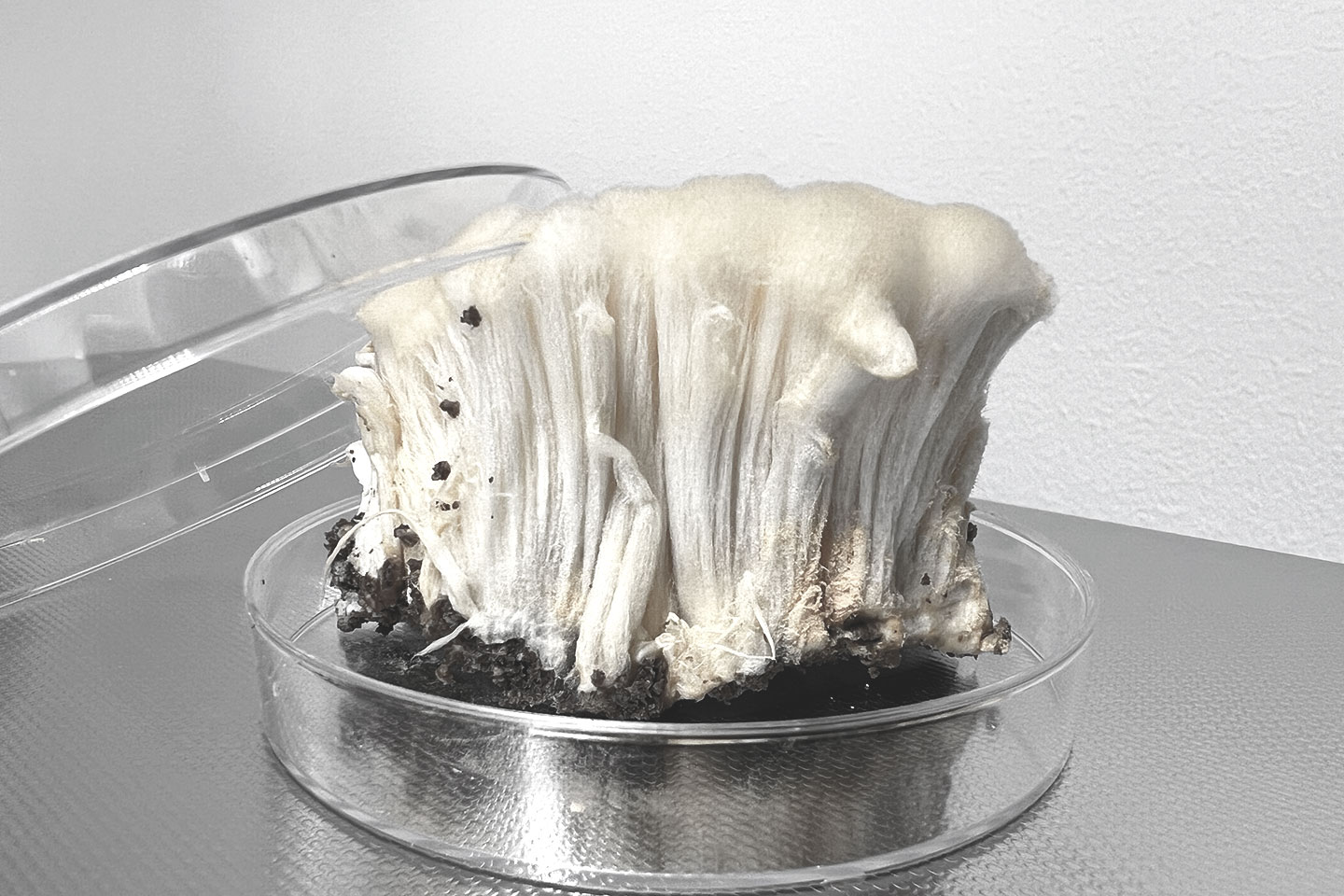
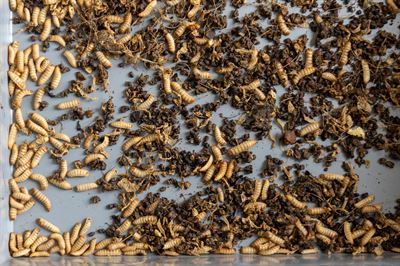
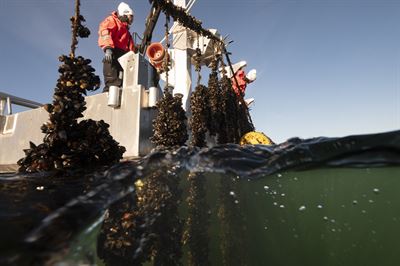
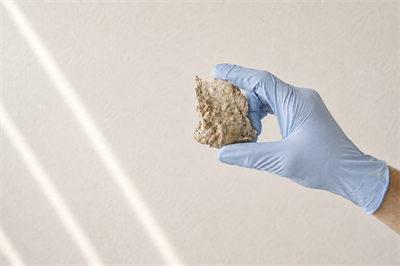
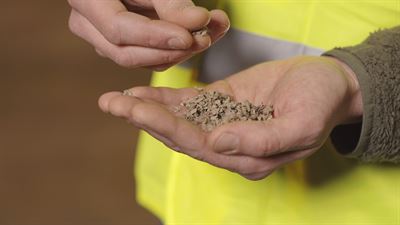
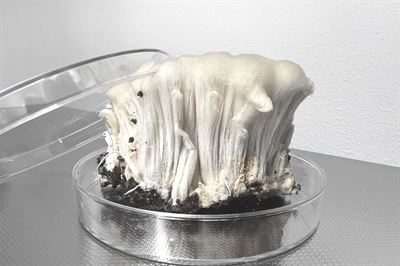
- Three circular protein ingredients: Mycoprotein produced by fermenting forestry and food industry side streams; insect meal from black soldier fly larvae raised on organic residual streams; and mussel meal produced from blue mussels farmed in the Baltic Sea that absorb nitrogen and phosphorus from seawater.
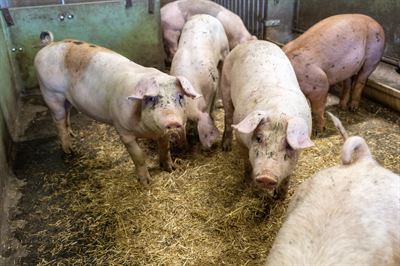
- Feeding trials: Approximately seven metric tons of rainbow trout, 1,000 broiler chickens, 170 laying hens and 18 pigs received feeds produced by commercial actors without soy or fishmeal.
- Food quality: Sensory evaluations indicated high product quality, comparable to reference products.
- Environmental performance: Life cycle assessments showed 7–40 percent lower land use across all four feed categories. Climate impact was 22–36 percent lower for fish, chicken and laying hens, but 1 percent higher for pigs. Marine eutrophication potential was 9–22 percent lower for fish, chicken and pigs, but 2 percent higher for laying hens, compared with reference feeds, per kilogram of feed.
- Modeled annual demand at national scale: Approximately 162,000 metric tons of mycoprotein, 41,000 metric tons of insect meal and 7,000 metric tons of mussel meal.
- Potential resource benefits: The modeled reduction in soy corresponds to approximately 40,000 hectares of soybean cultivation. Mussel farming at the modeled scale could recover approximately 1,120 metric tons of nitrogen and 106 metric tons of phosphorus from seawater annually.
- Source: Axfoundation and SLU, The Feed of the Future for Fish, Pigs, Poultry and Laying Hens – Turning Circular Novel Feed Ingredients into Viable Value Chains, Final Report, 2026. Scale-up figures are modeled scenarios, not forecasts. Life Cycle Assessment of Future Feed, Louise Bartek and Theodoros Vasileiou, KTH Royal Institute of Technology, Stockholm.
Related material
Media contacts
Linda Andersson, Media Relations, Axfoundation
, +46 73 087 15 70
Madeleine Linins Mörner, Program Director, Future Food, Axfoundation
, +46 70 950 35 35
Emma Ivarsson, Senior Lecturer, Department of Applied Animal Science and Welfare, SLU
, +46 (0)18-672044
Helena Allard, Sustainability Innovator, Axfood
, +46 (0)76-111 44 85
All pressreleases


Updates on Future Food
-

Could Hemp Seeds be the Future of Food?
2026-03-30
-

A Planetary Menu for Everyday Swedish Meals
2025-10-22
-

Can PFAS Save the Baltic Sea?
2025-04-22