Forestry-Based Mycoprotein Successfully Tested in Swedish Pig Production
2026.09.16

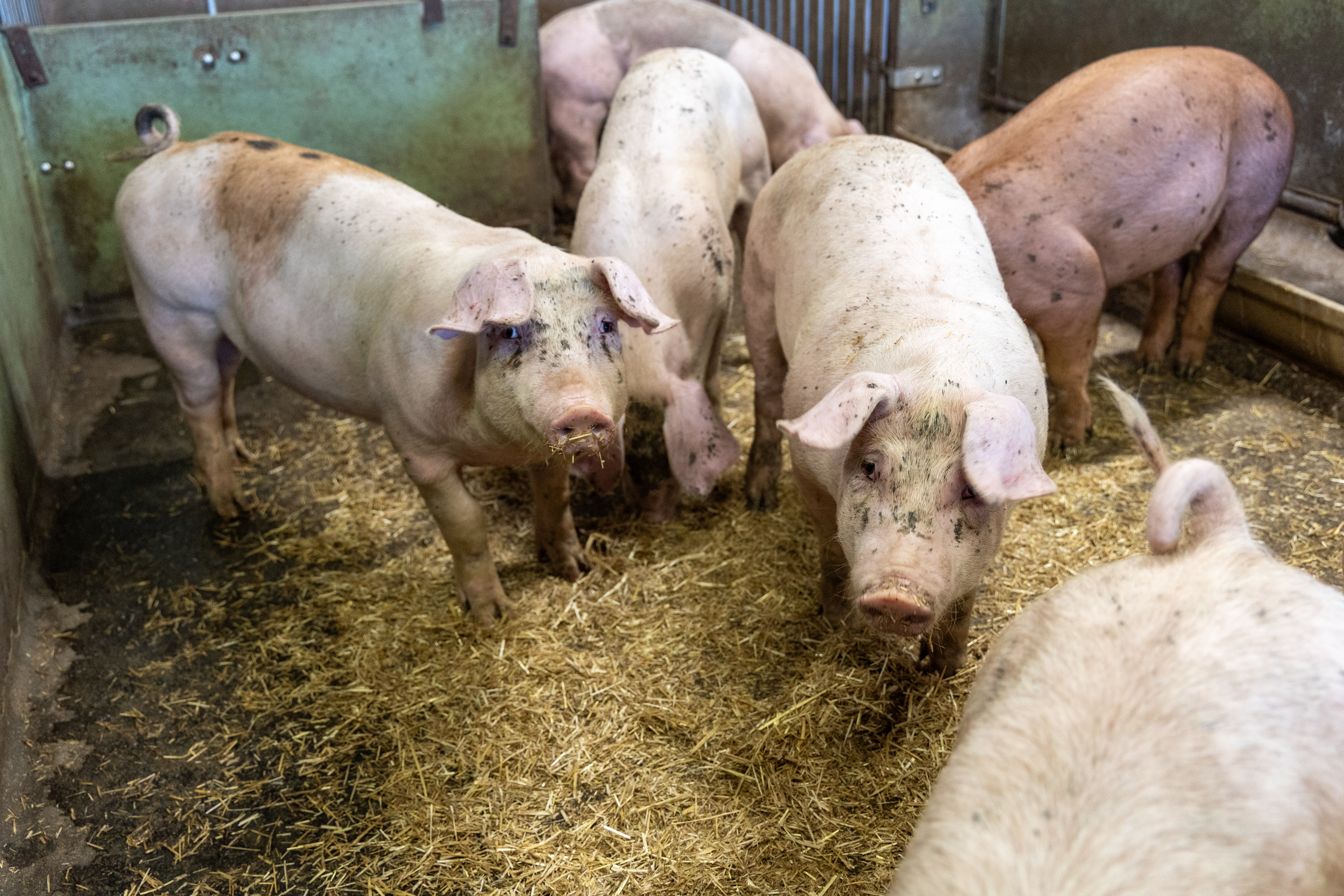
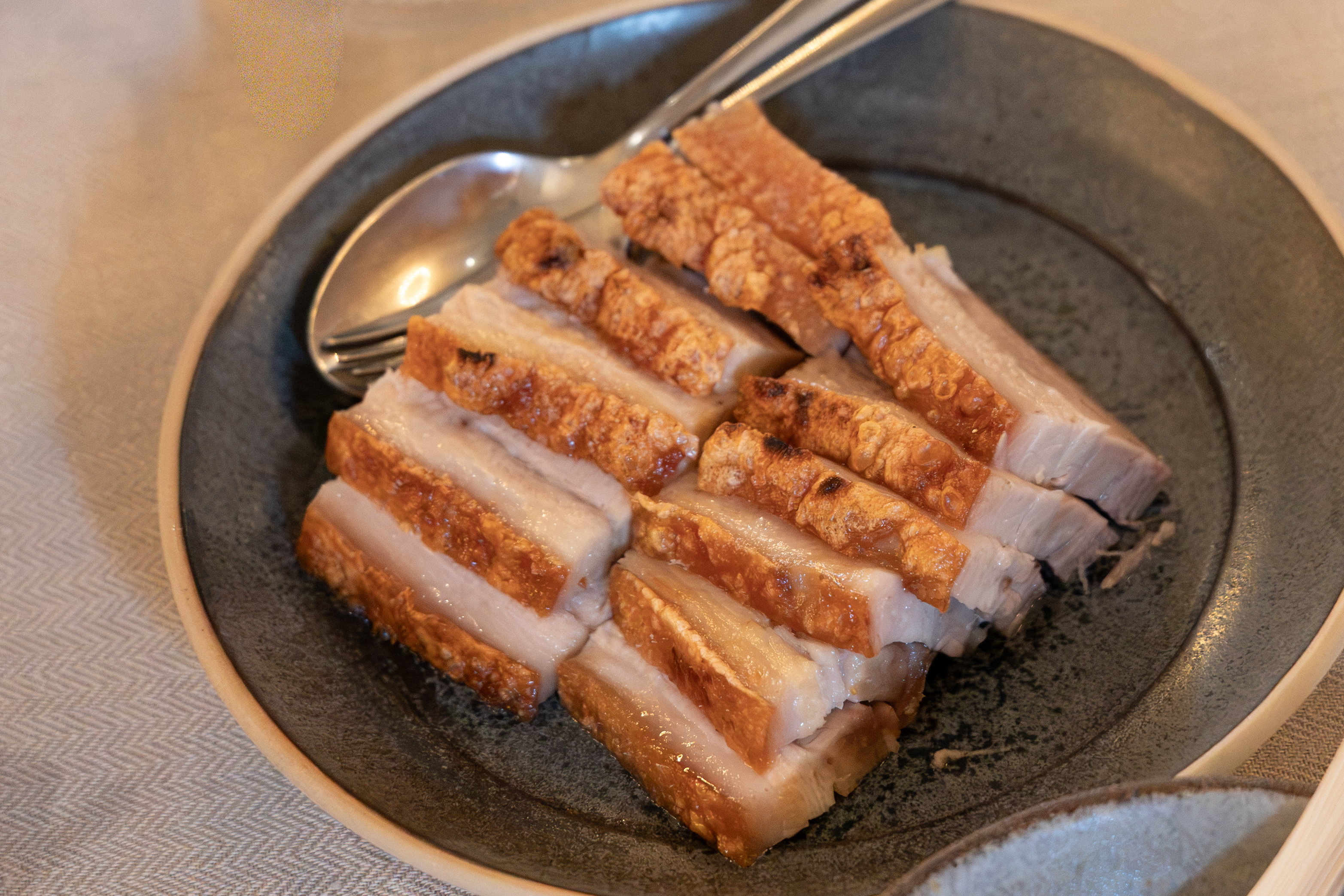
The pigs at Tå Gård were raised on soy-free feed containing Swedish-produced mycoprotein as an alternative to imported soy. Photo: Axfoundation
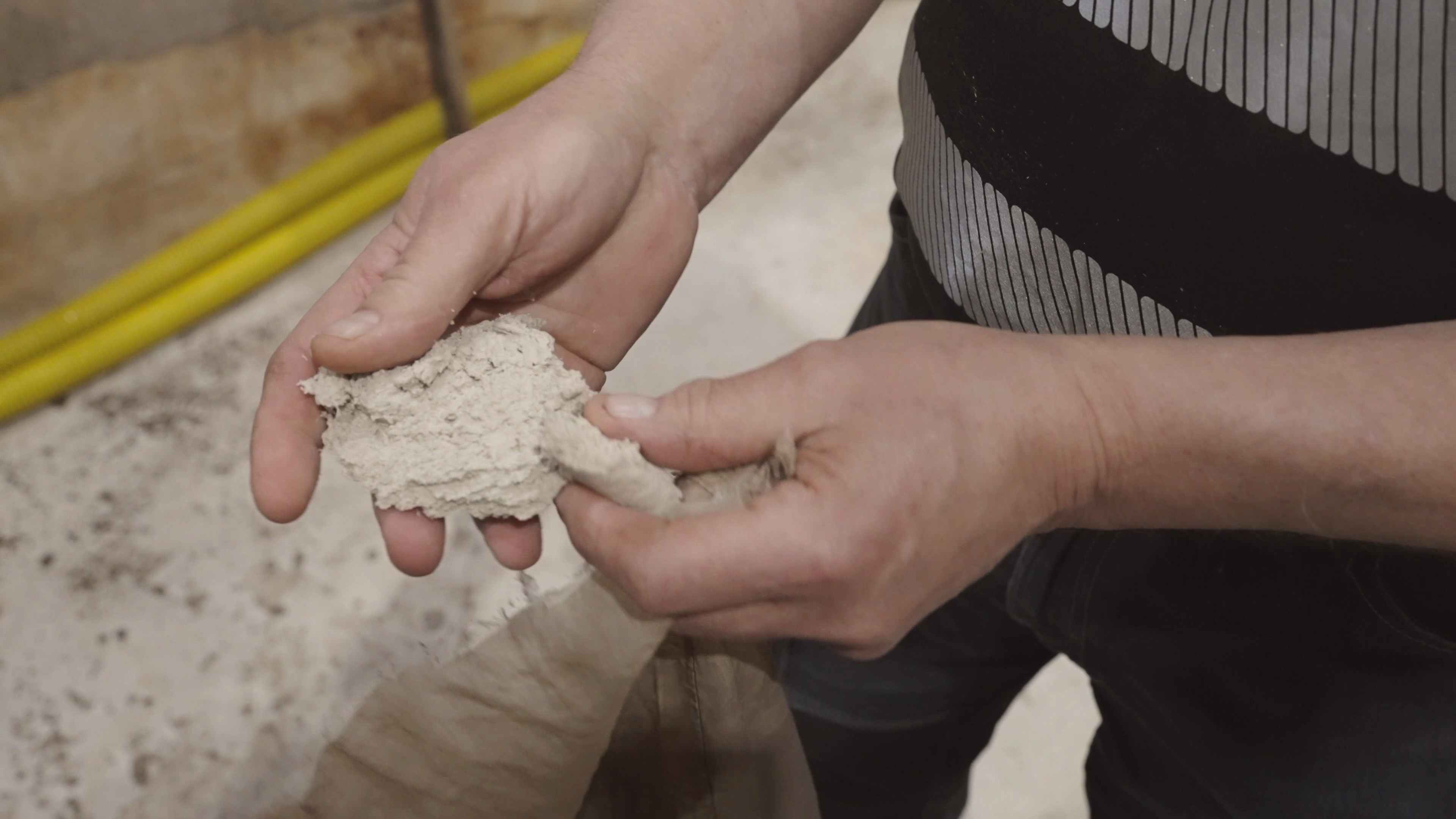
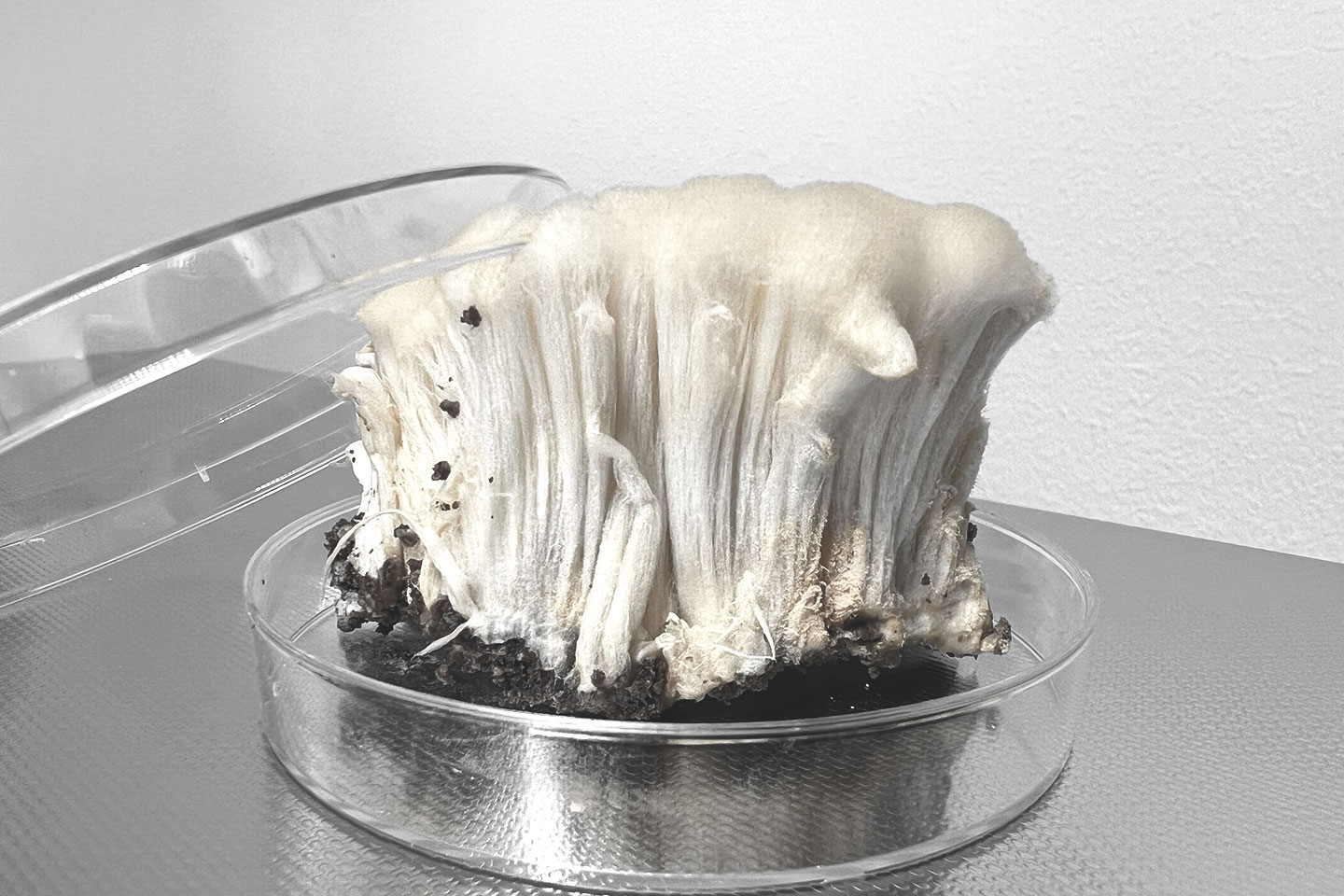
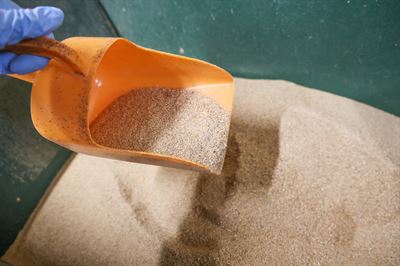
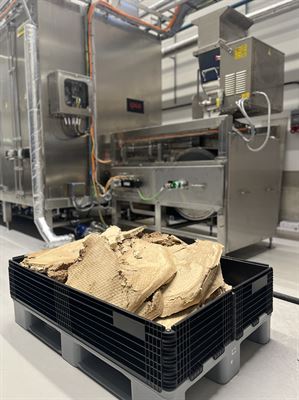
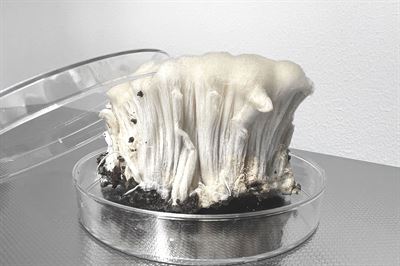
For the first time, Swedish-produced mycoprotein has been used in pig production. Made from side streams from the forestry industry, it was included in a soy-free feed developed and tested through collaboration across the value chain. Results show good digestibility, nutritional quality and meat quality, demonstrating the potential to replace soy in feed. The initiative is part of The Feed of the Future for Fish, Pigs, Poultry and Laying Hens, led by Axfoundation and the Swedish University of Agricultural Sciences (SLU).
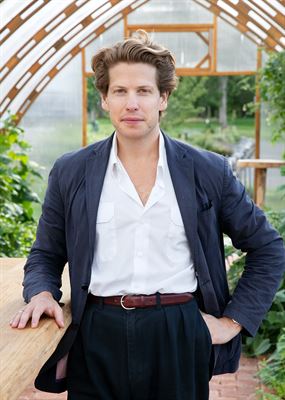
“We have demonstrated that imported soy can be replaced with Swedish protein ingredients produced from existing side streams. These ingredients require significantly less land, improve resource efficiency and can contribute to a more resilient domestic feed supply,” says Madeleine Linins Mörner, Program Director of Future Food at Axfoundation.
Around half of the world’s agricultural land is used to produce animal feed. Swedish pig production already uses relatively little soy per kilogram of meat compared with the EU and global averages, even so, Swedish pig production consumes around 39,000 metric tons of soy each year. That corresponds to soybean cultivation outside Sweden covering an area of roughly 10 by 10 kilometers. While soy used in Swedish feed is almost always sustainability-certified, it is still often grown in large-scale monocultures that rely on significant chemical inputs and occupy extensive areas of agricultural land.
At the same time, large volumes of side streams from Swedish forests, oceans and the food industry remain underutilized. Through The Feed of the Future for Fish, Pigs, Poultry and Laying Hens, researchers, farmers, feed manufacturers and food companies are working together to develop innovative circular protein ingredients, including mycoprotein, insect meal and cultivated mussels. These ingredients require only a fraction of the land and inputs needed for soy production.
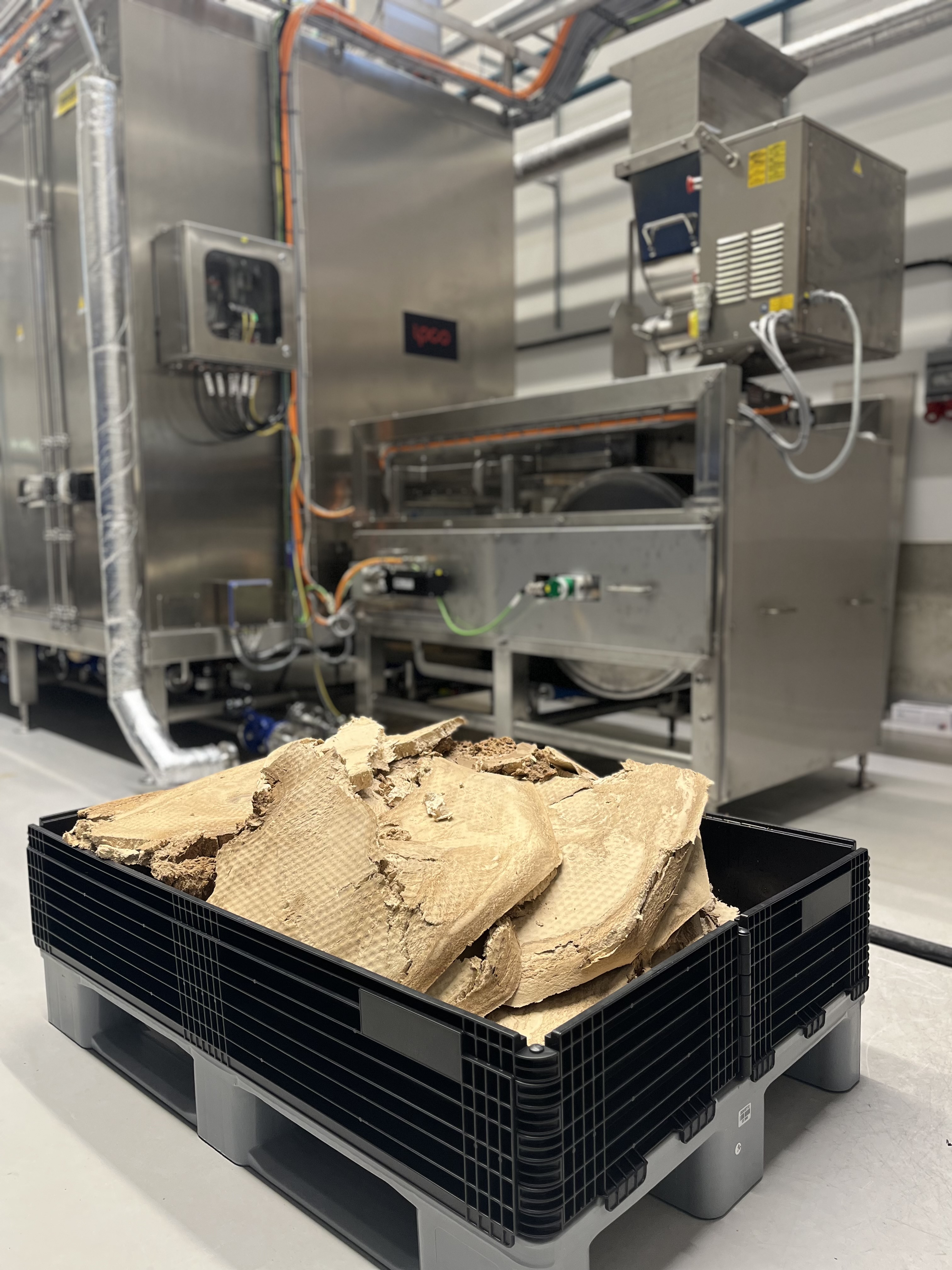
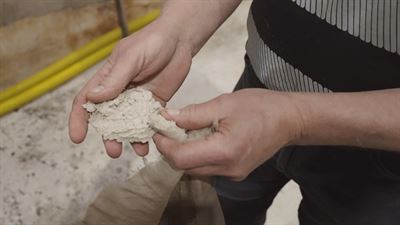
The soy-free feed used in the pig trial was produced by Lantmännen, Sweden’s largest farmer-owned agricultural cooperative, and included Swedish-produced mycoprotein from RISE in Örnsköldsvik made through wet fermentation of side streams from the Swedish forestry industry. The project has also evaluated the nutritional quality and digestibility of Cirkulär’s wet-fermented mycoprotein and Dapibuset’s dry-fermented mycoprotein.
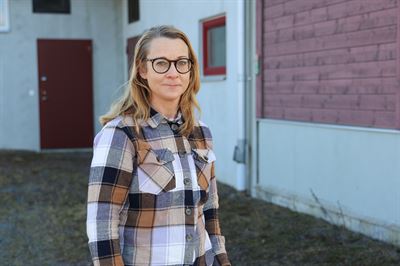
“Our analysis shows that both the wet- and dry-fermented mycoproteins provide good protein digestibility and nutritional quality. The results demonstrate that these circular protein ingredients can perform well even in high performing pigs, animals with high requirements for feed quality and palatability,” says Emma Ivarsson, Researcher at the Department of Applied Animal Science and Welfare, SLU.
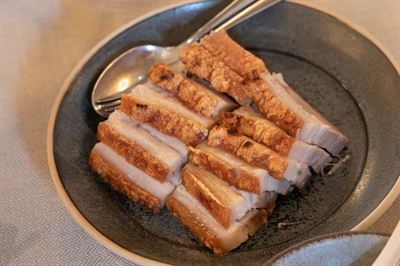
Sensory evaluations conducted by specialists from the School of Hospitality, Culinary Arts and Meal Science at Örebro University found that pork from pigs fed the innovative feed matched the reference products in quality, and both the pork neck and pork chop were described as having a more pronounced nutty flavor. The meat is supplied by Kötthallen Sorunda and served for a limited period at Gothia Towers in Gothenburg from September 21.
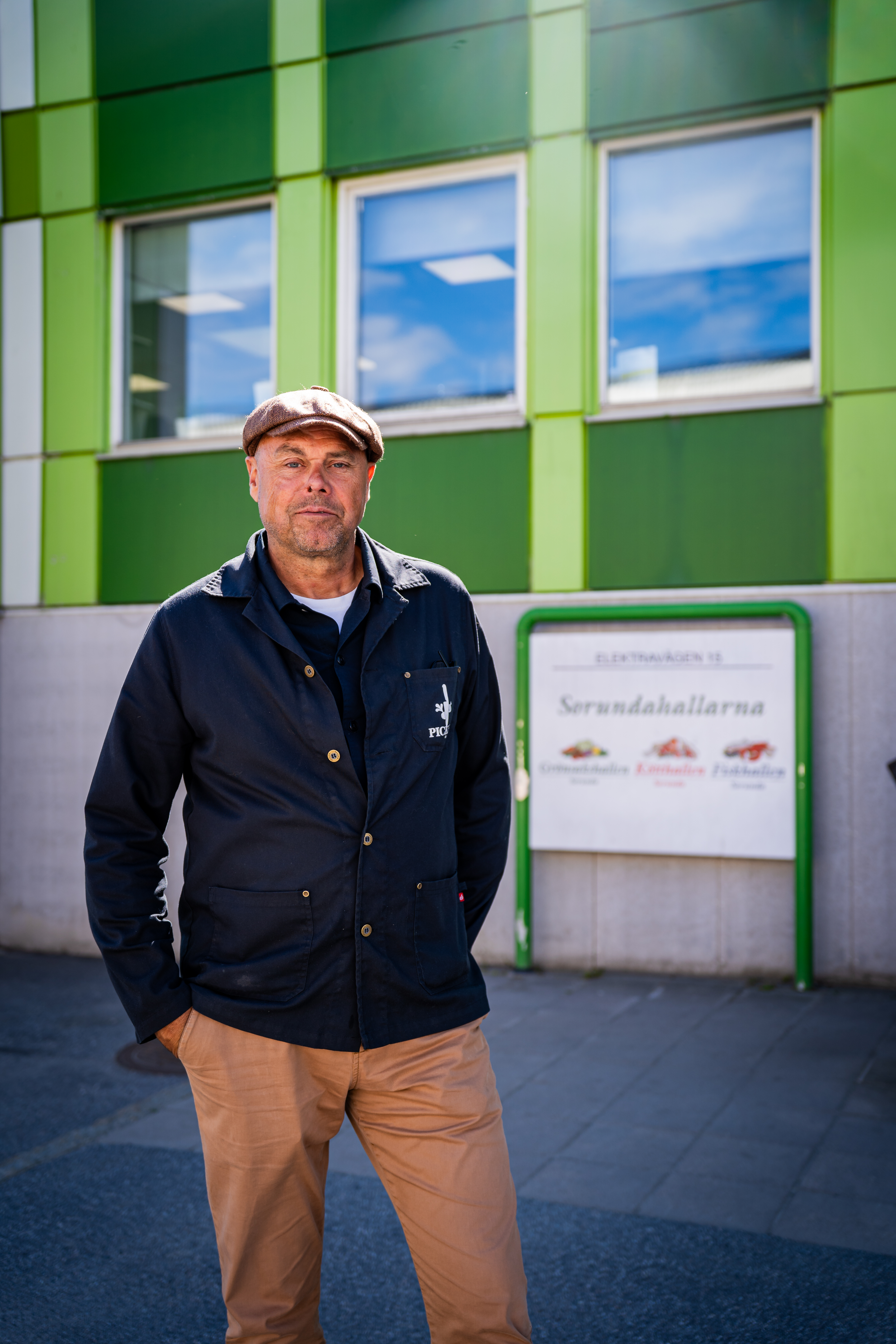
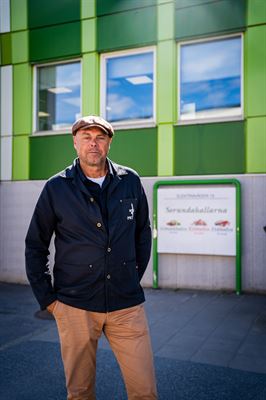
“The pork delivered excellent flavor and product quality. We see growing interest in foods that combine great quality with a lower environmental footprint,” says Mattias Dernelid, Product Manager at Smakriket, Kötthallen Sorunda.
Background
The Feed of the Future for Fish, Pigs, Poultry and Laying Hens is a Swedish innovation project led by Axfoundation and the Swedish University of Agricultural Sciences (SLU). The project brings together researchers, feed producers, farmers, retailers and foodservice partners to develop more resource-efficient feed ingredients with lower environmental impact. The project is carried out together with Axfood, Bodens Municipality, Cirkulär, Dapibuset, DC Farmers, Ecopelag, Ecoloop, Fiskhallen Sorunda, Grönsakshallen Sorunda, Hemköp, Kötthallen Sorunda, Lantmännen, Martin & Servera, NovaPro, Plant Protein Production, Ragn-Sells, the School of Hospitality, Culinary Arts and Meal Science at Örebro University, RISE, Seaqure Labs, Stjärnägg, Svenska Foder, Urban Deli, Varva, Viking Fågel and Älvdalslax. The project is partially funded by Sweden’s innovation agency Vinnova.
More information is available at: www.framtidensfoder.se
Feed, Soy and Pig Production: Key Facts
- Around half of the world’s agricultural land is used to produce animal feed. (Remote Sensing; Royal Swedish Academy of Agriculture and Forestry (KSLA))
- Around 1.3 million metric tons of food waste are generated in Sweden each year, only a portion of which is currently used as animal feed. (Swedish Environmental Protection Agency)
- Soy production can require up to 1,000 times more land than mycoprotein production. (NORSUS; ProTerra Foundation; Journal of Cleaner Production)
- Soy accounts for approximately 4% of a typical Swedish pig feed formulation. (WWF Sweden)
- Sweden imports approximately 195,000 metric tons of certified soy for animal feed each year, most of it from Brazil. (Swedish Feed & Grain Association)
- One of the Swedish side streams evaluated in the project has the theoretical potential to generate more mycoprotein than Sweden’s current annual imports of certified soy for animal feed. (Seaqure Labs)
- Swedes consume approximately 14 kilograms of pork per person each year, corresponding to just over 4 kilograms of soy. (Swedish Meat; WWF Sweden)
Trial Facts: Future Feed Pork
- A feeding trial involving 18 pigs at Tå Gård was conducted using Future Feed for Pigs.
- The feed was produced by Lantmännen.
- The feed was soy-free and contained Swedish-produced mycoprotein manufactured through fermentation of side streams from the forestry industry.
- The mycoprotein used in the pig feeding trial was produced by RISE in Örnsköldsvik. Mycoprotein from Circulär and Seaqure Labs have also been tested in the project’s other trials. In addition, mycoprotein from Dapibuset has been evaluated.
- In the pig trial, the project evaluated nutritional composition, digestibility, animal health, growth and sensory quality. Results showed good protein digestibility and nutritional quality for both wet- and dry-fermented mycoproteins.
- The meat is supplied by Kötthallen Sorunda and served for a limited period at Gothia Towers in Gothenburg from September 21.
Media Contacts
- Linda Andersson Media Relations, Axfoundation
+46 (0)73 087 15 70 - Christian Sjöland Project Manager,
The Feed of the Future for Fish, Pigs, Poultry and Laying Hens Axfoundation
+46 (0)76 119 16 35 - Madeleine Linins Mörner Program Director, Future Food Axfoundation
+46 (0)70 950 35 35 - Emma Ivarsson Researcher, Department of Applied Animal Science and Welfare
Swedish University of Agricultural Sciences (SLU)
+46 (0)18 67 20 44 - Mattias Dernelid, Product Manager at Smakriket, Kötthallen Sorunda
+46 (0)70 450 58 00
All pressreleases


Updates on Future Food
-

Could Hemp Seeds be the Future of Food?
2026-03-30
-

A Planetary Menu for Everyday Swedish Meals
2025-10-22
-

Can PFAS Save the Baltic Sea?
2025-04-22
-

More of the Plant Should Become Food
2025-02-24