

Pacific Oysters – From Invasive Species to Resource
The invasive Pacific oyster has rapidly transformed marine ecosystems along the Swedish west coast by...
Read moreThe invasive Pacific oyster has rapidly transformed marine ecosystems along the Swedish west coast by transforming soft seabeds into oyster reefs or filtering large amounts of plankton from the water mass, which can change the plankton composition. At the same time, it is a nutrient-rich local resource, high in minerals and protein, and remains largely untapped. Pacific Oysters filter water and have potential as both food and material. The Pacific Oyster project explores how large-scale harvesting and processing can help protect ecosystems, create sustainable food, and develop new circular materials.
The invasive Pacific oyster has rapidly transformed marine ecosystems along the Swedish west coast by...
Read more
Mycoprotein has significant potential to contribute to more sustainable food system. Produced through controlled fermentation,...
Read more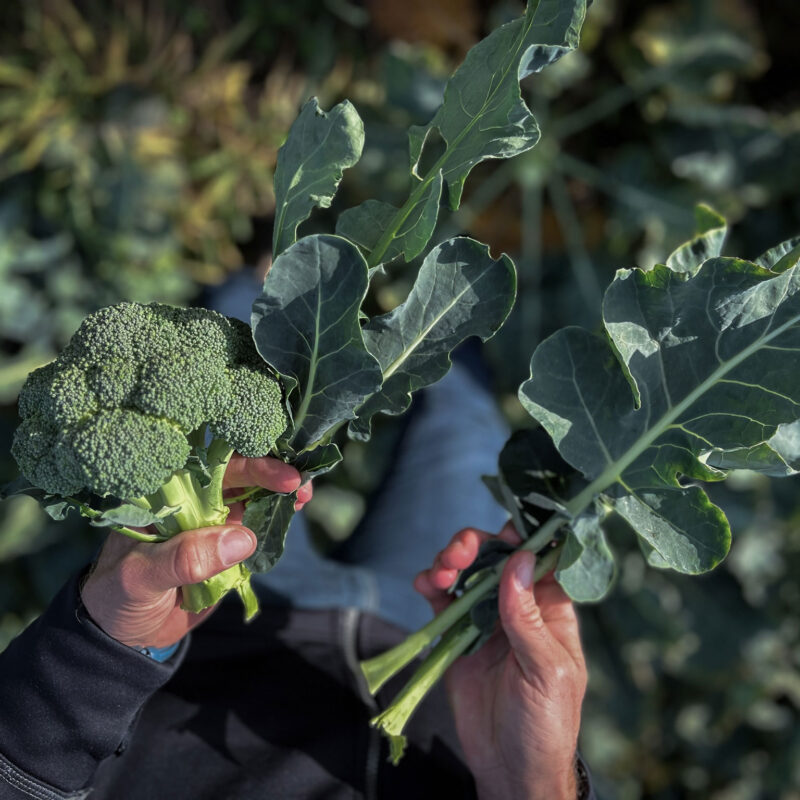
The Whole Plant project brings together stakeholders from across the value chain to minimize food...
Read more
Blue foods have great potential to contribute to a sustainable food system. However, for this...
Read more
Replacing meat with other protein sources, such as legumes, benefits both health and the environment....
Read more
Axfoundation and the Swedish University of Agricultural Sciences (SLU) bring together researchers, farmers, feed producers,...
Read more
Despite having a long coastline and hundreds of lakes, the majority of fish consumed in...
Read more
Is it possible to have a food system that utilizes ecosystem services while remaining profitable?...
Read more